

Welcome to Tashkent
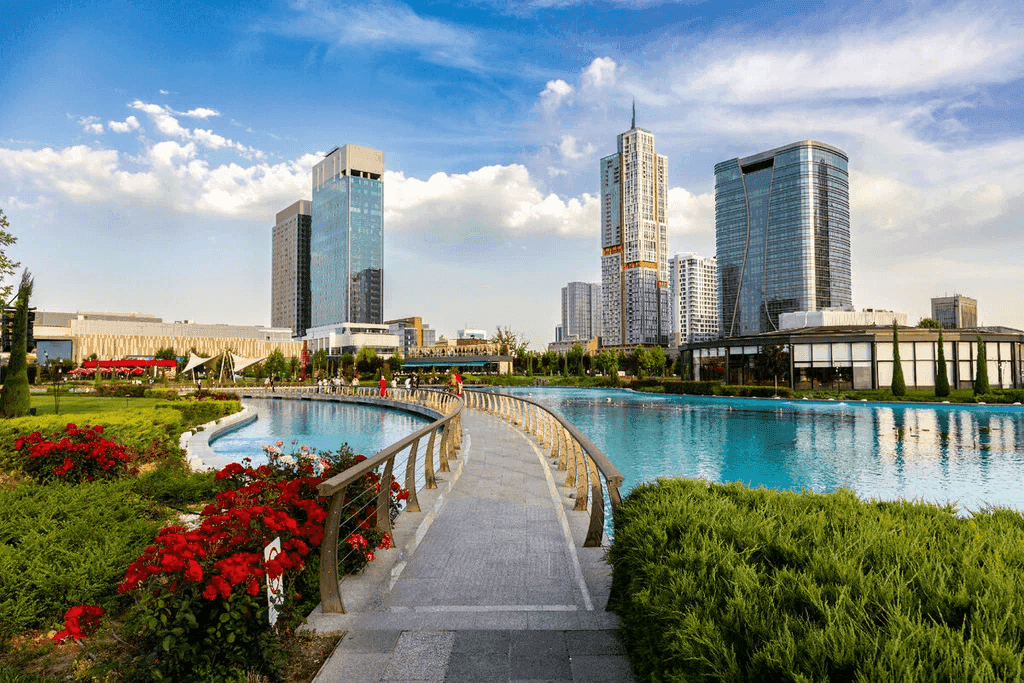
Tashkent is Uzbekistan's capital and its business, cultural and transport hub. Wide tree-lined avenues, Soviet-era monuments, glass towers and a medieval old town sit side by side. For most visitors it is where the journey begins, and a good place to taste your first plov, try your first fresh flatbread and get a feel for the country before heading to Samarkand, Bukhara or Khiva. The city is a patchwork of eras. Around Chorsu Bazaar, the old quarters keep their narrow lanes and clay-brick houses, while the center shows the grand planning of the 20th century, and newer districts show a modern, fast-changing capital.
How to get to Tashkent
- 1
By air
Tashkent International Airport has direct flights from many cities in Europe, Russia, the Gulf, Turkey and East and South Asia. Domestic flights link the capital with Samarkand, Bukhara, Urgench, Nukus, Termez, Fergana, Namangan and Andijan.
- 2
By train
Tashkent is the hub of the national rail network. Afrosiyob high-speed trains run to Samarkand and Bukhara, and other trains serve cities across the country. Check current timetables and routes before booking. ![Uzbekistan Train.jpg]
- 3
By road
Tashkent is a short drive from the Kazakhstan border near Shymkent. Shared taxis and buses also run from neighboring countries; confirm border rules for your passport first.
Money, SIM cards and internet
Money: the soum is the only currency used for most payments. Exchange cash at banks, official exchange offices or the airport, and avoid street changers. ATMs are widely available, and cards are accepted in supermarkets, malls and many restaurants. Carry cash for bazaars and small shops.
SIM cards: local operators sell SIM cards at the airport and in city stores. You need your passport to buy one. Data packages are inexpensive.
Wi-Fi: hotels, cafes and many public places offer free Wi-Fi.
Is Tashkent safe?
Tashkent is generally regarded as a safe and welcoming city for visitors. Police are visible in public spaces, and bag checks at metro stations and malls are routine. Use ordinary city precautions: keep valuables close in crowded places, use official or app-based taxis, and carry a copy of your passport.
A short history of Tashkent
Settlement in the Tashkent oasis goes back more than two thousand years, and the city marked its 2,200th anniversary in 2009. In early times it was known as Chach and sat on trade routes linking Central Asia with China, India and the West. After the Arab conquest in the 8th century, the city grew as part of the wider Islamic world, and later became an important center under local dynasties.
The Mongol invasion of the early 13th century damaged the city, but it recovered under the Timurids in the 14th and 15th centuries, when many religious buildings were commissioned. In later centuries it passed between regional khanates. The Russian Empire took control in 1865 and made Tashkent the administrative center of its Turkestan region, introducing new neighborhoods, schools and railways.
In the Soviet era Tashkent became one of the largest cities in the union. A powerful earthquake in 1966 destroyed much of the old center, and the city was rebuilt with broad avenues, parks and a metro system. Since independence in 1991 it has been the capital of Uzbekistan, and in recent years the skyline and public spaces have changed rapidly.
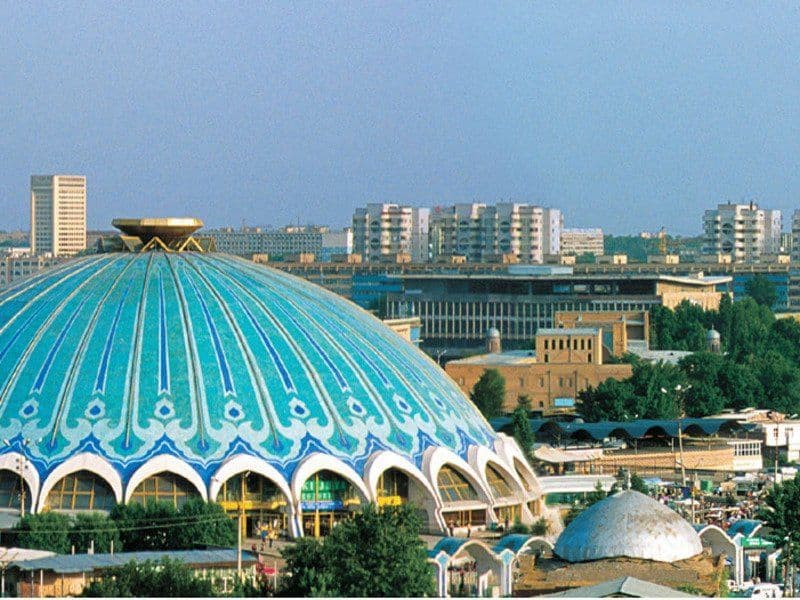
Blue-domed Chorsu Bazaar in Tashkent with fresh produce
Old town and religious monuments
Khast Imam complex: the spiritual center of the city, with the Barak Khan Madrasa, the Tilla Sheikh Mosque and a library that holds one of the world's oldest known Quran manuscripts.
Kukeldash Madrasa: a large 16th-century madrasa near Chorsu Bazaar, still a landmark of the old town.
Sheikhantaur Complex: a group of mausoleums and shrines of local saints and rulers.
Minor Mosque: a modern white-marble mosque beside the Ankhor canal, popular at sunset.
Juma Mosque: a historic Friday mosque in the old city.
Orthodox and Catholic churches: the Holy Assumption Cathedral and the Sacred Heart Cathedral reflect the city's multi-faith history.
City squares and landmarks
Amir Timur Square: a central square with the equestrian statue of Timur, surrounded by historic buildings.
Independence Square: a large ceremonial square with fountains and monuments.
Tashkent TV Tower: a tall tower with an observation deck and panoramic views.
Courage and Mustaqillik monuments: memorials that tell the story of the 20th century.
Tashkent City: a new district with modern towers, a landscaped park and evening lights.
Museums
State Museum of History of Uzbekistan: a general introduction to the region's past.
Museum of Applied Arts: crafts, textiles, ceramics and metalwork in a beautifully decorated house.
Amir Timur Museum: exhibits on Timur and the Timurid era.
Museum of Arts of Uzbekistan: fine arts and national and international works.
Memorial and house museums: devoted to writers, artists and public figures.
Theatres and performing arts
Alisher Navoi Opera and Ballet Theatre: a grand 1947 building known for opera and ballet.
Ilkhom Theatre: a well-known independent theater with a cult following.
Uzbek National Academic Drama Theatre: national drama and contemporary productions.
Russian Drama Theatre: classic and modern plays.
Children's and puppet theaters: shows for families.
Parks and leisure
Japanese Garden: a calm, shady spot with ponds and bridges.
Navruz Park: pavilions, lawns and craft stalls.
Ecopark: a large green area for strolling and cycling.
Anhor and Central parks: family attractions, playgrounds and cafes.
Magic City and amusement parks: rides and entertainment for children.
Markets and shopping
Chorsu Bazaar: the best-known market, under a huge blue dome, filled with spices, nuts, dried fruit, bread, meat and sweets. Try the snacks and samsa in the food rows.
Alay Bazaar: a quieter central market with fresh produce and sweets.
Malls: modern shopping centers offer international brands, cinemas and food courts.
Craft shops and boutiques: look for embroidered textiles (suzani), ceramics, jewelry and designer clothes made by local artists.
Food in Tashkent
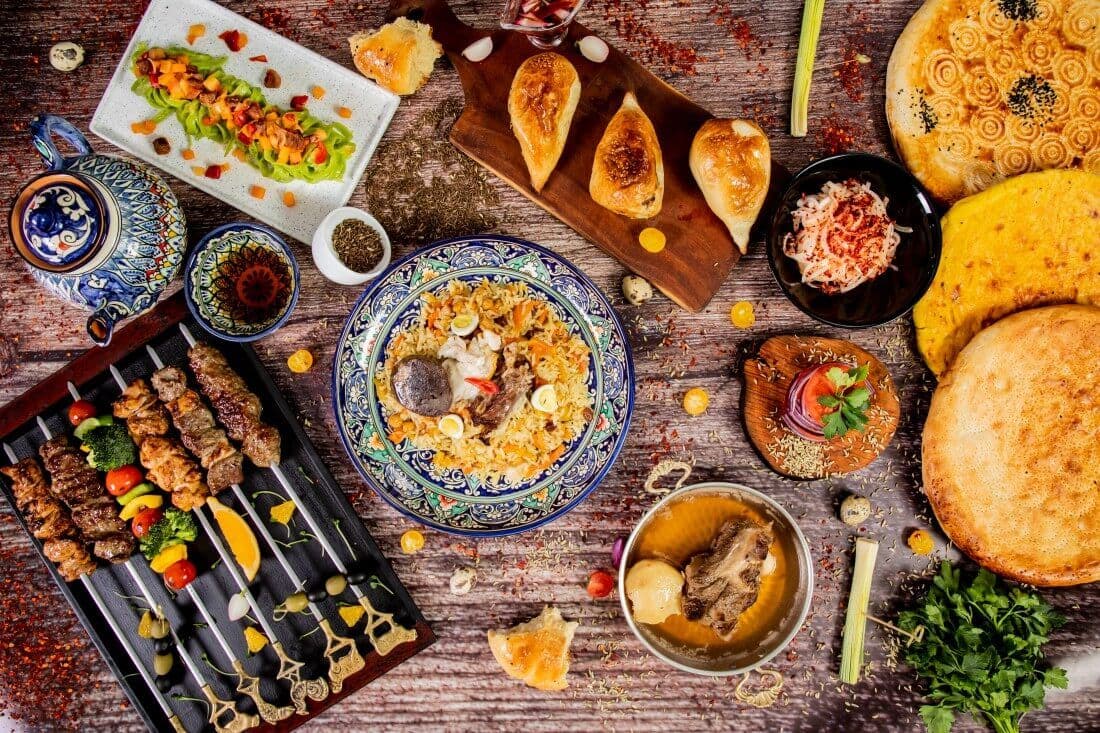
Plov: the national dish, made with rice, carrots, onions and meat in a large cauldron. Plov centers serve it at lunchtime, and portions often run out by early afternoon.
Shashlik: grilled skewers of lamb, beef, chicken, liver and more.
Soups: shurpa, mashkhurda and chuchvara (small dumplings in broth).
Samsa and manti: baked pastries and steamed dumplings.
Non: round, flat bread baked in a clay oven.
International food: Italian, Korean, Turkish and Asian restaurants are common.
Getting around Tashkent
Metro: opened in 1977 as the first in Central Asia. Many stations are decorated with chandeliers, mosaics and sculptures, and it is inexpensive and efficient. Photography is generally allowed, but follow any signs. Buses and electric buses: an extensive network at low prices. Taxis: ride-hailing apps such as Yandex Go are cheap and reliable. Scooters and bikes: available for rent in some central areas. Walking: the old town and central parks are easy to explore on foot.
Explore other destinations
All destinations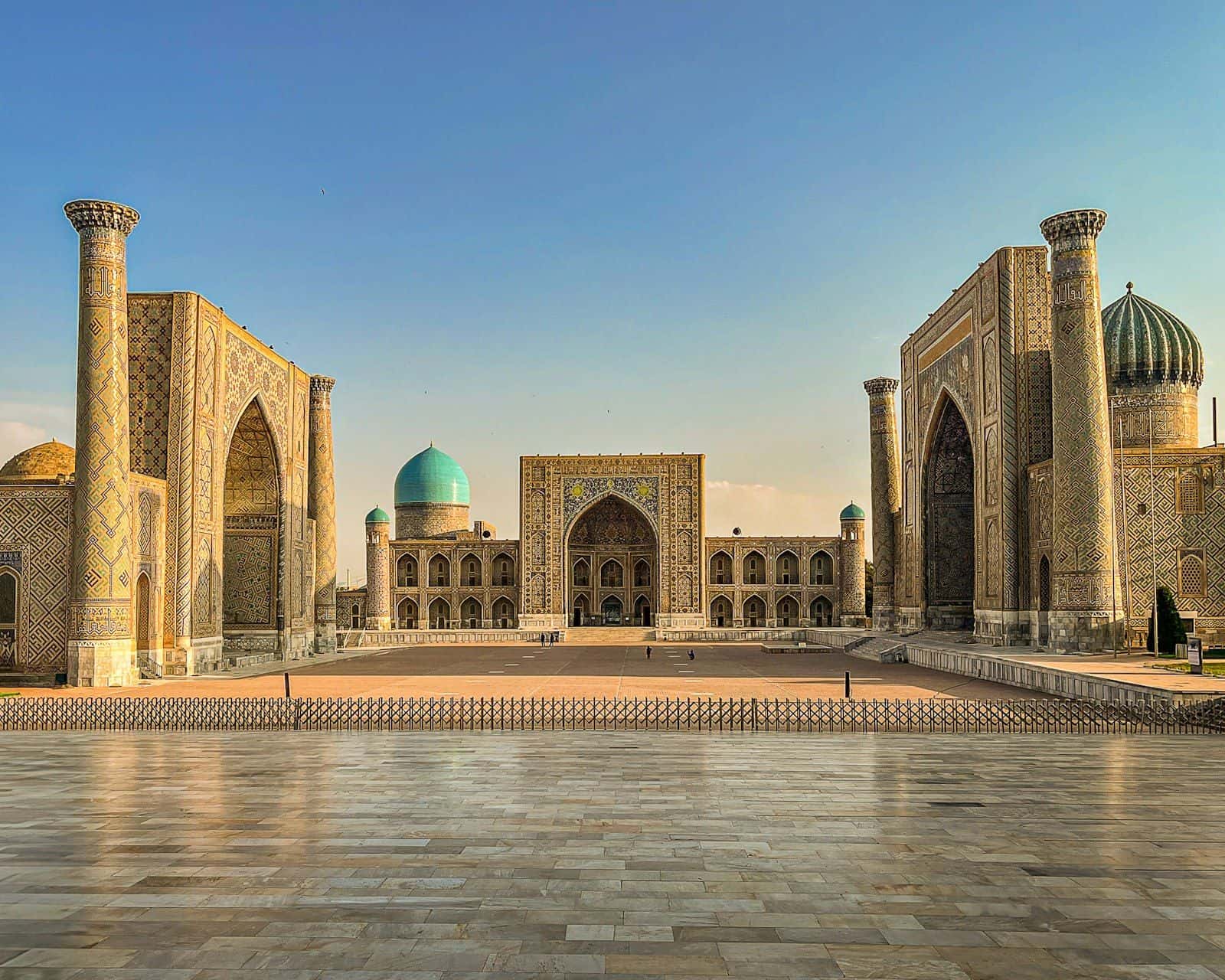 4 tours
Samarkand
One of the oldest cities on Earth, Samarkand was a legendary stop on the Silk Road and the capital of Amir Timur's empire. Today its blue-tiled domes, grand madrasahs and busy bazaars make it the highlight of almost every trip to Uzbekistan.
 3 tours
Navoi
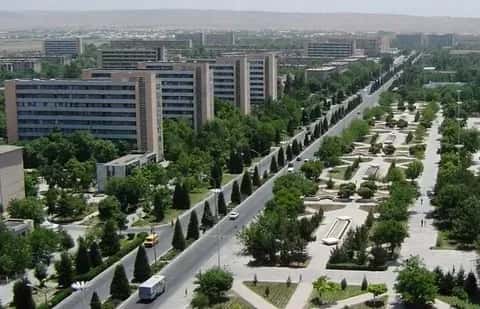
Navoi - Uzbekistan's City of Gold in the Desert Rising from the sands of the Kyzylkum in just a few decades, Navoi is a planned city with green boulevards, cooling fountains and a gold-mining soul. Beyond its streets lie some of the oldest rock carvings in Central Asia, a ruined Silk Road palace and a medieval underground reservoir
 1 tour
Bukhara
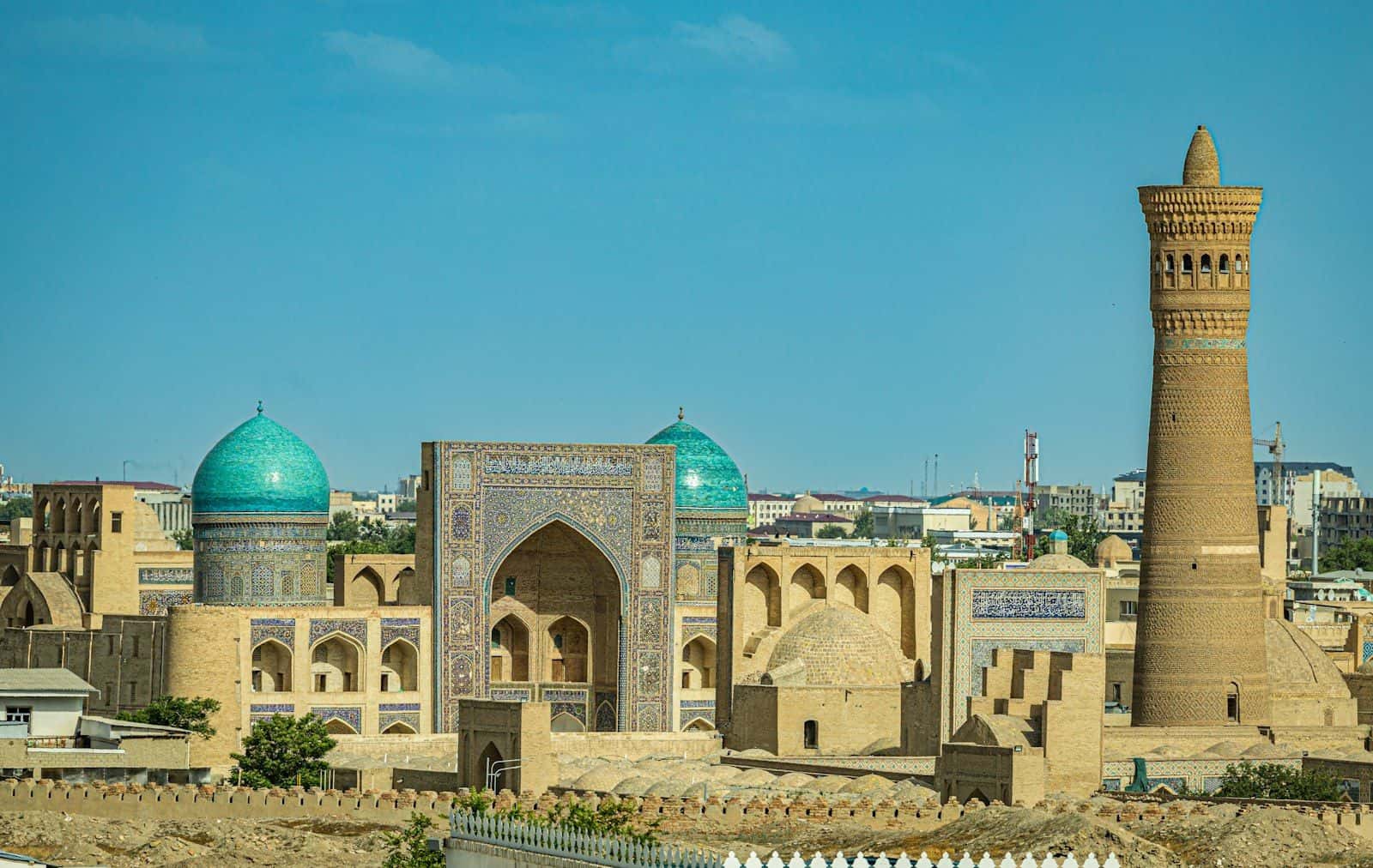
An ancient trading city on the Silk Road, with a historic centre preserving more than 140 architectural monuments.
 1 tour
Nukus
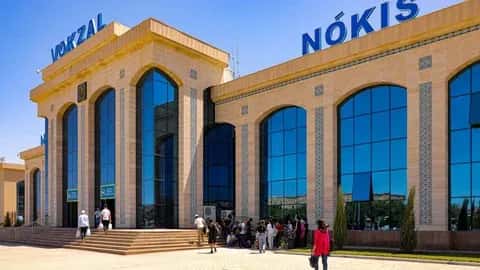
Capital of Karakalpakstan on the Amu Darya, home to the Savitsky Museum and gateway to the Aral Sea. Nukus is the capital of Karakalpakstan, a quiet city on the Amu Darya with a surprising claim to fame: one of the finest art collections in Central Asia. Add an ancient necropolis, a Zoroastrian fortress in the desert and the road to the vanishing Aral Sea, and you have one of Uzbekistan's most unusual stops.
Andijan
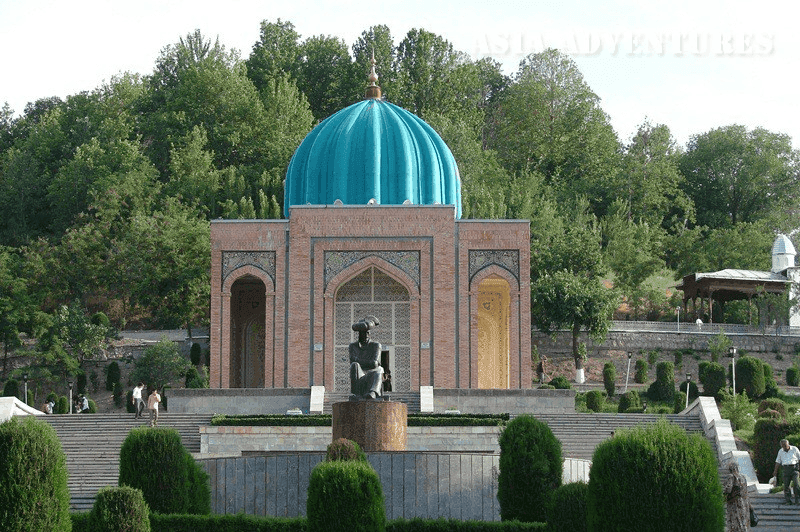
Andijan is one of the oldest cities in the Fergana Valley and the birthplace of Babur, the poet-prince who founded the Mughal Empire. Friendly and far less crowded than the Silk Road cities, it offers a grand Jami complex, lively bazaars, famous katlama bread and easy access to craft towns like Shahrikhan.
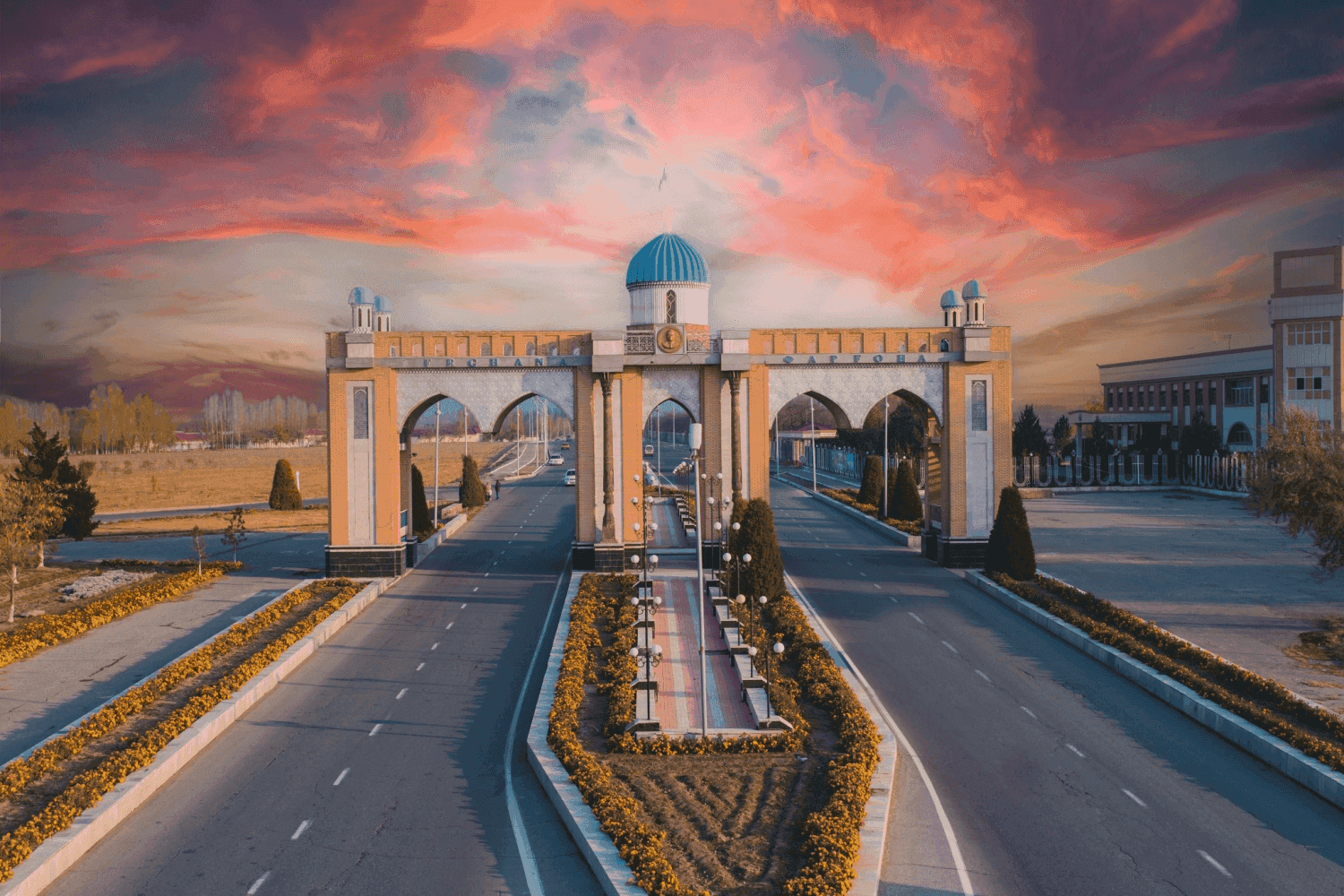
Fergana
The green "Garden City" of the Fergana Valley. Fergana is a relaxed, leafy city with tree-lined avenues, a late-19th-century old town and an easy gateway to Margilan's silk workshops, Rishtan's ceramics and Kokand's palaces.
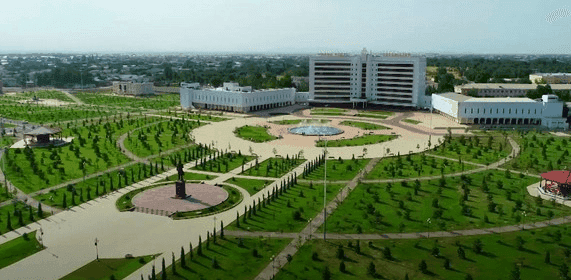
Jizzakh
Jizzakh Region is one of Uzbekistan's interesting destinations, combining mountain landscapes, beautiful lakes, ancient history, traditional villages and local culture. It is especially attractive for travellers who want to explore nature and experience a quieter side of Uzbekistan.
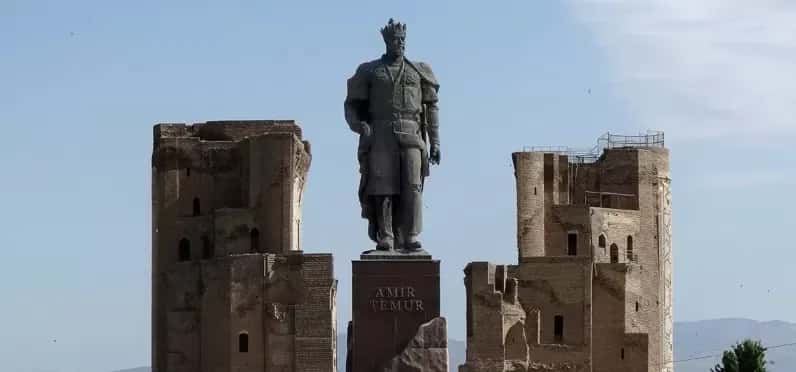
Karshi
Kashkadarya: The Land of Amir Temur Shakhrisabz, the birthplace of Amir Temur, ancient Nasaf (Karshi) and the Hissar Mountains. Discover one of Uzbekistan’s most impressive historical and natural destinations, just a day trip from Samarkand.
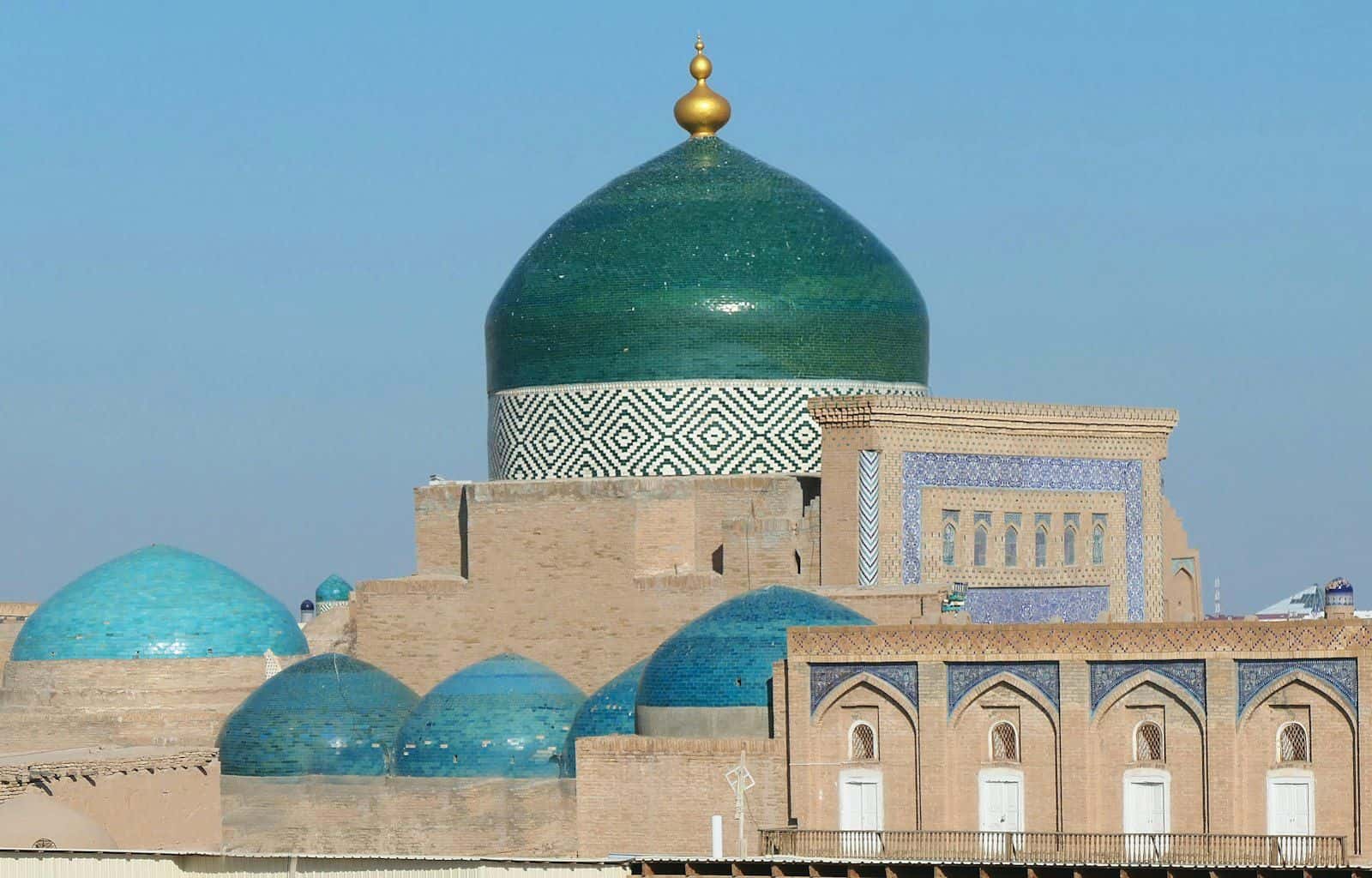
Khiva
Itchan Kala — the walled inner town, inscribed on the UNESCO World Heritage List.
What our guests say
“Unvergessliches Erlebnis in Usbekistan! Die 2-Tages-Tour von Samarkand zum Jurtenlager nach Nurata war absolut fantastisch! Alles war perfekt organisiert, von der pünktlichen Abholung im Hotel bis zur Rückkehr. Die Übernachtung in der Wüste unter dem Sternenhimmel und der Besuch des Aydarkul-Sees waren wunderschön. Sehr freundlicher Service und authentische Gastfreundschaft. Absolute Empfehlung für jeden Usbekistan-Reisenden! – Martin”
“I booked a Bukhara city tour package through this agency, and I am very satisfied with their service. Everything was well organized, and the tour was enjoyable. I highly recommend this agency to anyone planning to visit Bukhara.”
“Unforgettable Desert Escape with Westour! Our group of four from Singapore had an incredible 2-day trip to Aydarkul Lake with Westour. From our hotel pick-up in Samarkand to visiting Nurata, the sunset camel ride, and stargazing by the campfire, everything was top-notch! Sleeping in a traditional yurt was a core memory for us. Westour took care of all the details, allowing us to relax and fully enjoy the breathtaking desert landscapes. Thank you, Westour team, for your wonderful service and hospitality. We’ll definitely recommend you to all our friends back in Singapore! Moulik, Singapore 🇸🇬”
