

Samarkand
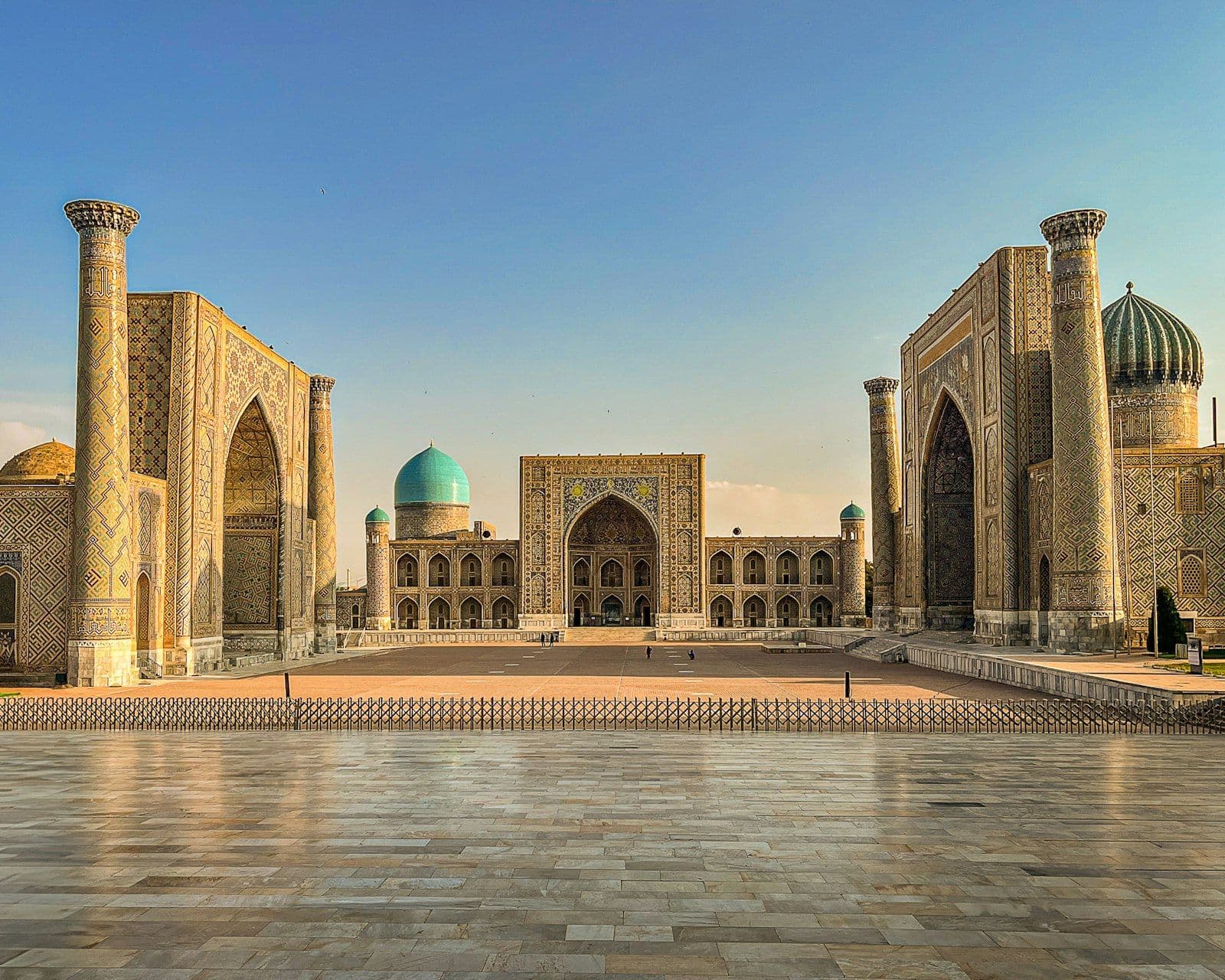
- UNESCO World Heritage
- Silk Road city
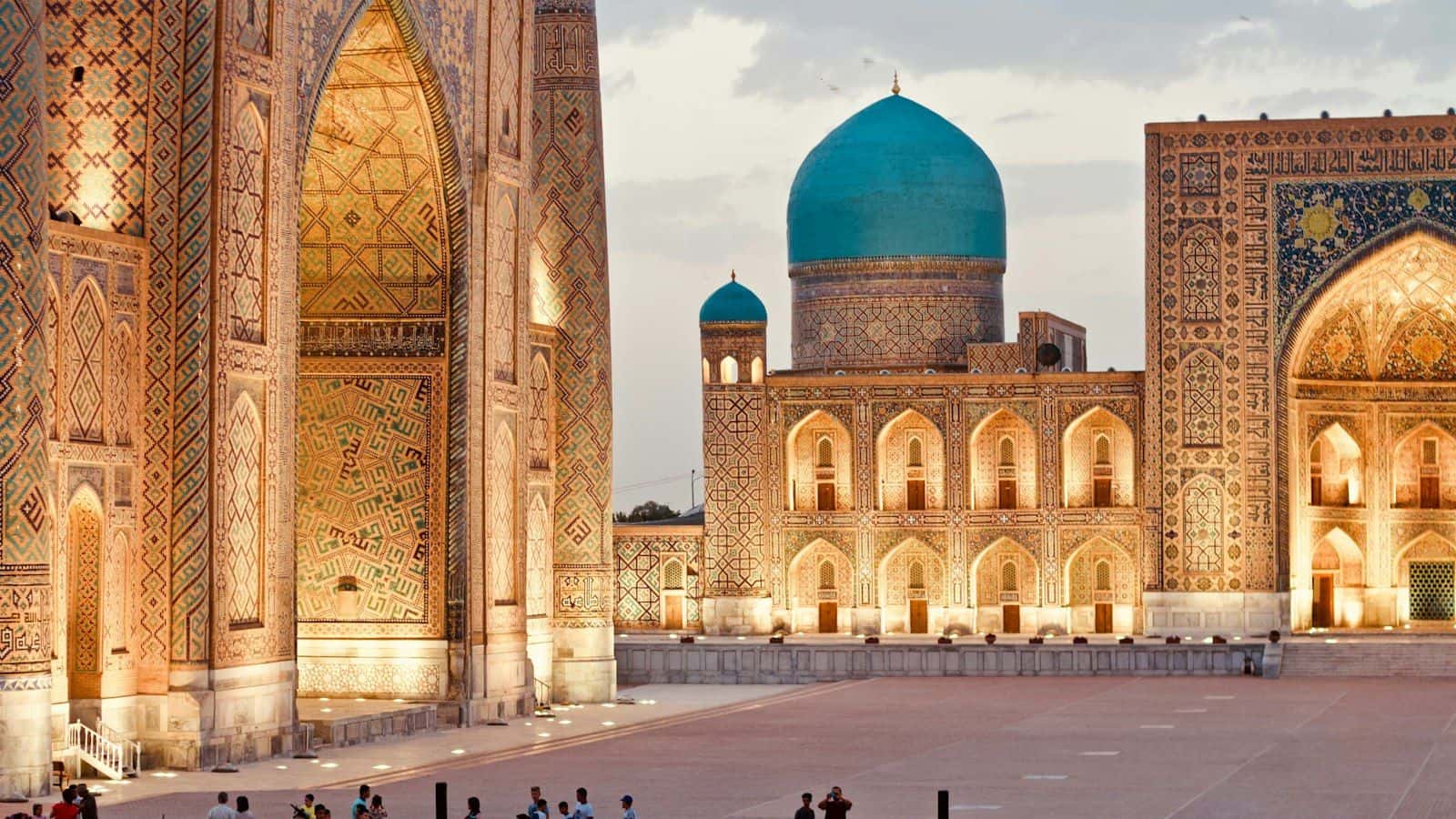
One of the oldest cities on Earth, Samarkand was a legendary stop on the Silk Road and the capital of Amir Timur's empire. Today its blue-tiled domes, grand madrasahs and busy bazaars make it the highlight of almost every trip to Uzbekistan.
Why Visit Samarkand?
People settled here as early as the 8th century BC. Caravans loaded with silk, spices and paper once rested in its streets, and for centuries it ruled as a capital, most famously under Amir Timur (Tamerlane). Its monuments are some of the finest in the Islamic world, and thousands of visitors arrive every day.
You could see the main highlights in one rushed day, but you would miss the best part. We recommend at least two days, so you can enjoy the monuments, the markets, the food and the evening atmosphere without hurry. Accommodation suits every budget, from small family guesthouses to 5-star hotels.
How to Get to Samarkand
- 1
By air
The fastest option. Flights connect Samarkand with Tashkent, Moscow, Dubai, Istanbul and other hubs.
- 2
By train
The high-speed Afrosiab train covers the route from Tashkent in under 2.5 hours, with views of the countryside. Trains also come from Bukhara, Khiva and other cities.
- 3
By road
Buses, shared taxis and private transfers work well from anywhere in Uzbekistan.
Is Samarkand Safe?
Yes, it is one of the most relaxed and secure cities in the country. Police are visible, and you can walk around comfortably at any hour, even on your own. As anywhere, just keep an eye on your bag and your passport and other documents.
Best Time to Visit
Samarkand is beautiful all year, but the most comfortable seasons are March to June and late August to mid-November. Summers are hot and the midday sun is strong, so plan indoor visits (museums, cafés, a long lunch) between 11:00 and 15:00 and explore outdoors in the morning and evening.
A Short History of Samarkand
In 2007 Samarkand celebrated its 2,750th anniversary with UNESCO's support, and archaeological finds confirm its great age. The story begins at Afrosiab, an ancient settlement from the 8th century BC that grew into the city we know. The site stayed without a name until the 17th century, when it was named after Afrasiab, a king from Iranian legend.
The name "Samarkand" comes from Sogdian and means "stone city" (asmara, "stone", plus kand, "town" or "fortress"). Other explanations exist: a "rich, fat city", a man called Samar, or a spring of the same name.
- 329 BC: Alexander the Great takes the city. Greek writers already describe it as a thriving, developed place.
- 4th–8th centuries: The region is ruled by the Hionites, Kidarites, Hephthalites and the Turkic and Western Turkic Khaganates.
- 712: Arabs bring Islam. By the 9th century Samarkand is the centre of the Samanid state.
- 11th–12th centuries: It serves as capital of the Karakhanids and later the Khorezmshahs.
- 13th century: Genghis Khan's army destroys the city. Survivors build a new town nearby and Afrosiab is abandoned. In the 20th century it becomes a rich archaeological site.
- 1370–1499: The Timurid era. Samarkand flourishes, and many of today's great monuments date from this golden age.
- 1501 onwards: The Sheibanids take over, followed by the Ashtarkhanids (from 1602) and, in the 18th century, the Mangyt dynasty.
- Mid-19th century: Samarkand becomes part of the Russian Empire.
- 1925–1930: After the Soviet takeover, it is briefly the capital of the Uzbek SSR.
One famous story: in June 1941, scientists opened Amir Timur's tomb. A local legend warned that opening it would bring war, and only days later Germany attacked the Soviet Union. In 2016, Islam Karimov, Uzbekistan's first president, who was born in Samarkand, was buried here.
Workshops and Wineries
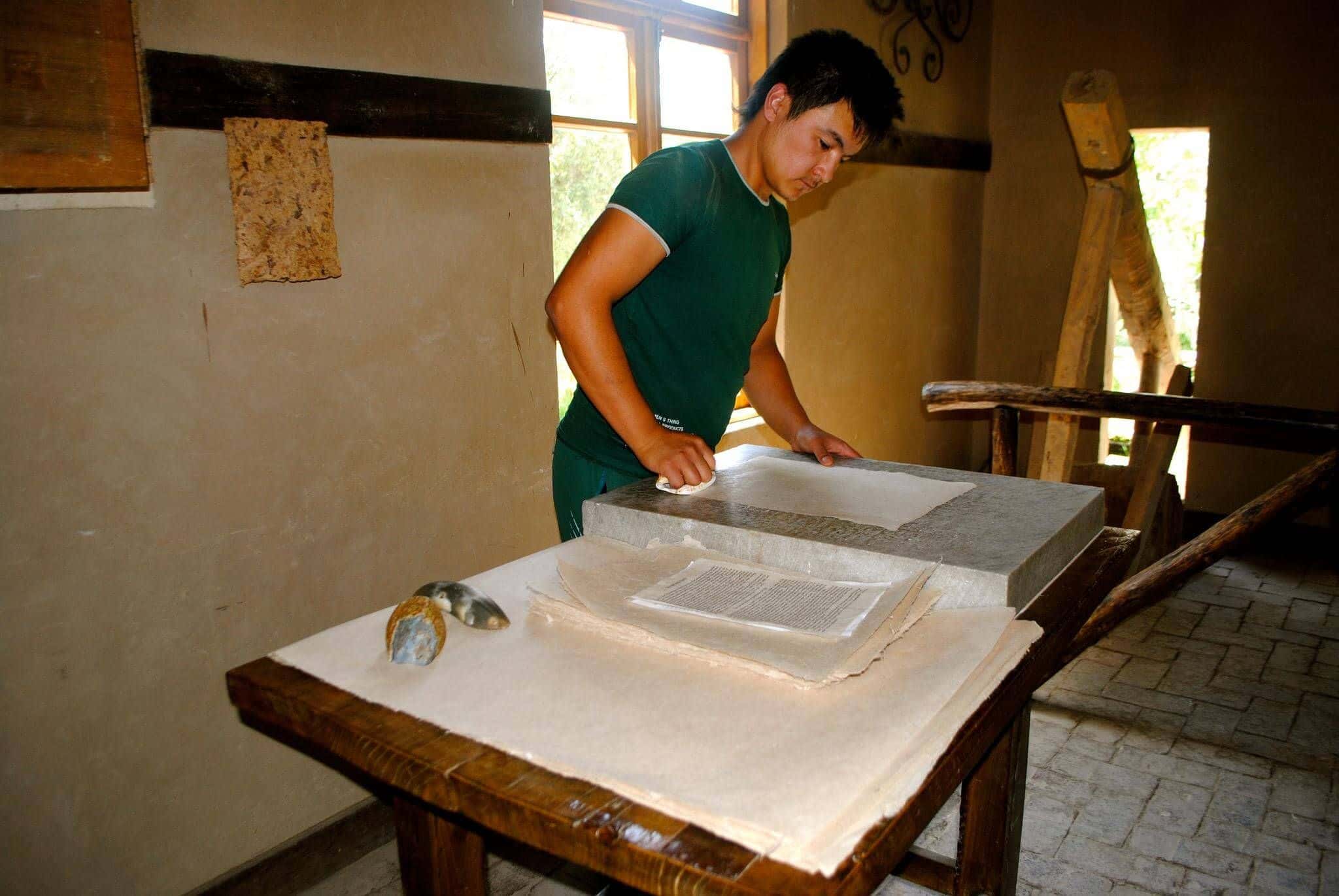
Visit the silk carpet factory and the Samarkand paper mill, where paper is still made by hand. The Khovrenko and Bagizagan wineries offer tastings of local wines.
Museums
Samarkand has 13 museums. The most popular are the Ulugbek Museum at the observatory and the Afrosiab Museum. Also worth a visit:
- State Museum of Cultural History of Uzbekistan
- Samarkand Regional Museum of Local Lore
- Museum of Friendship of Peoples and Religious Tolerance
- Museum of the Victims of Repression
- The 19th-century student cell exhibition inside Sherdor Madrasah
Fans of biography can visit the house-museums of Sadriddin Aini, Khoja Abdulaziz Abdurasulov, Mahmudkhoja Behbudi, Sayyid Rizo Alizoda and the scientist Dmitry Filatov (at the Khovrenko winery).
Theatres and Evening Shows
- Hamid Alimjan Regional Music and Drama Theatre: productions in Uzbek, including plays about Ulugbek and the poet Mashrab.
- Chekhov Regional Russian Drama Theatre: classic plays and children's shows in Russian.
- El Merosi: a historical costume theatre, the only one of its kind in Central Asia, with dance-based shows in colourful traditional dress.
In total the city has four theatres, with both classical and Uzbek performances.
Shopping and Souvenirs
- Bread: For some of the best flatbread, visit the "Ulugbek" bakery near the observatory. Try patyr and the light, puffy bread with onions.
- Halva: Buy it at Siab Bazaar or in the shopping centres near the railway station.
- Textiles: Hand-embroidered suzani are the favourite gift. For a special treat, buy a real Samarkand silk carpet.
- Crafts: Look for jewellery with national patterns, handmade paper and traditional skullcaps. The Samarkand Handicrafts Centre is a good place to start.
- Wine: Try local labels such as Gulyakandoz, Farhod, Bayan Shirin and Aleatico.
Getting Around the City
You can use buses, electric buses and shuttle buses, plus taxis. Samarkand is also the only city in Uzbekistan with trams. They stopped running in 1973 and came back in 2017, linking the railway station with Siab Bazaar and the Sattepo district.
Tours in Samarkand
Samarkand
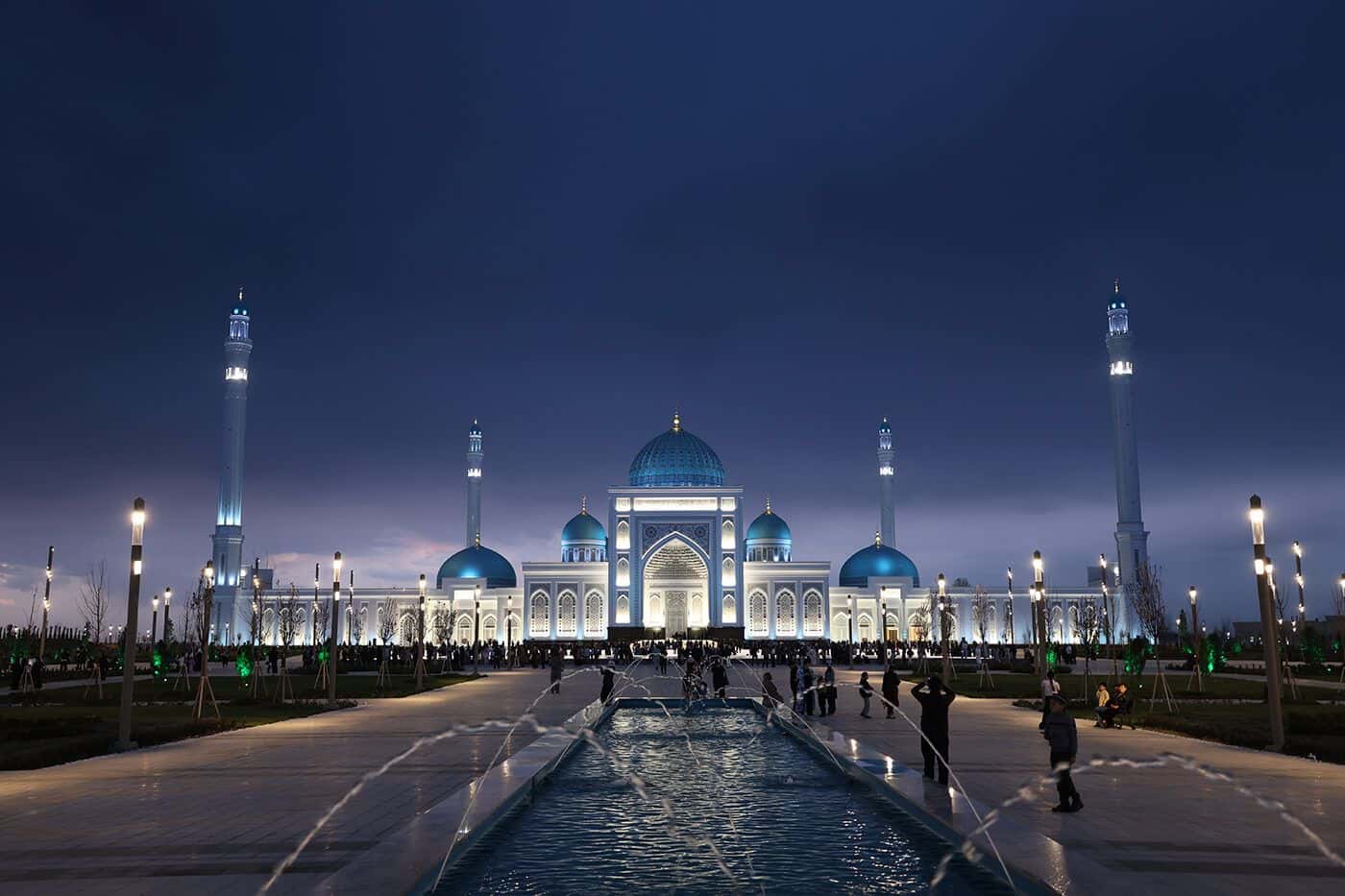
Imam al-Bukhari, Makhdumi A'zam, Imom Al-Motrudiy
1 day - 5 hours
From $45per person, for 2 travellers
Samarkand
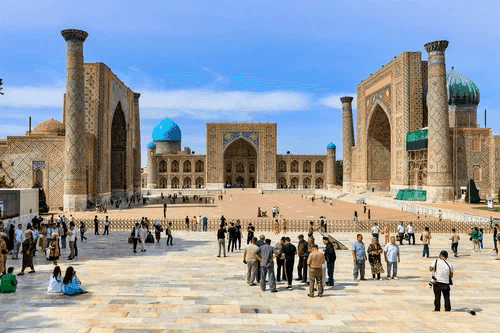
Private Samarkand Day Trip from Tashkent (by Car)
Duration: 1 day (about 7 hours on the road in total, about 6 hours in the city)
From $170per person, for 2 travellers
Samarkand
Urgut Bazaar & Konigil Craft: Day Tour from Samarkand
one day - 5-6 hours
From $65per person, for 2 travellers
Top sights at a glance
Tap a sight to read more and see which tours include it.
Samarkand FAQ
Explore other destinations
All destinations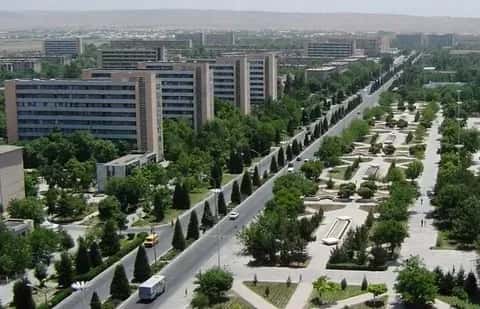 3 tours
Navoi
Navoi - Uzbekistan's City of Gold in the Desert Rising from the sands of the Kyzylkum in just a few decades, Navoi is a planned city with green boulevards, cooling fountains and a gold-mining soul. Beyond its streets lie some of the oldest rock carvings in Central Asia, a ruined Silk Road palace and a medieval underground reservoir
 1 tour
Bukhara
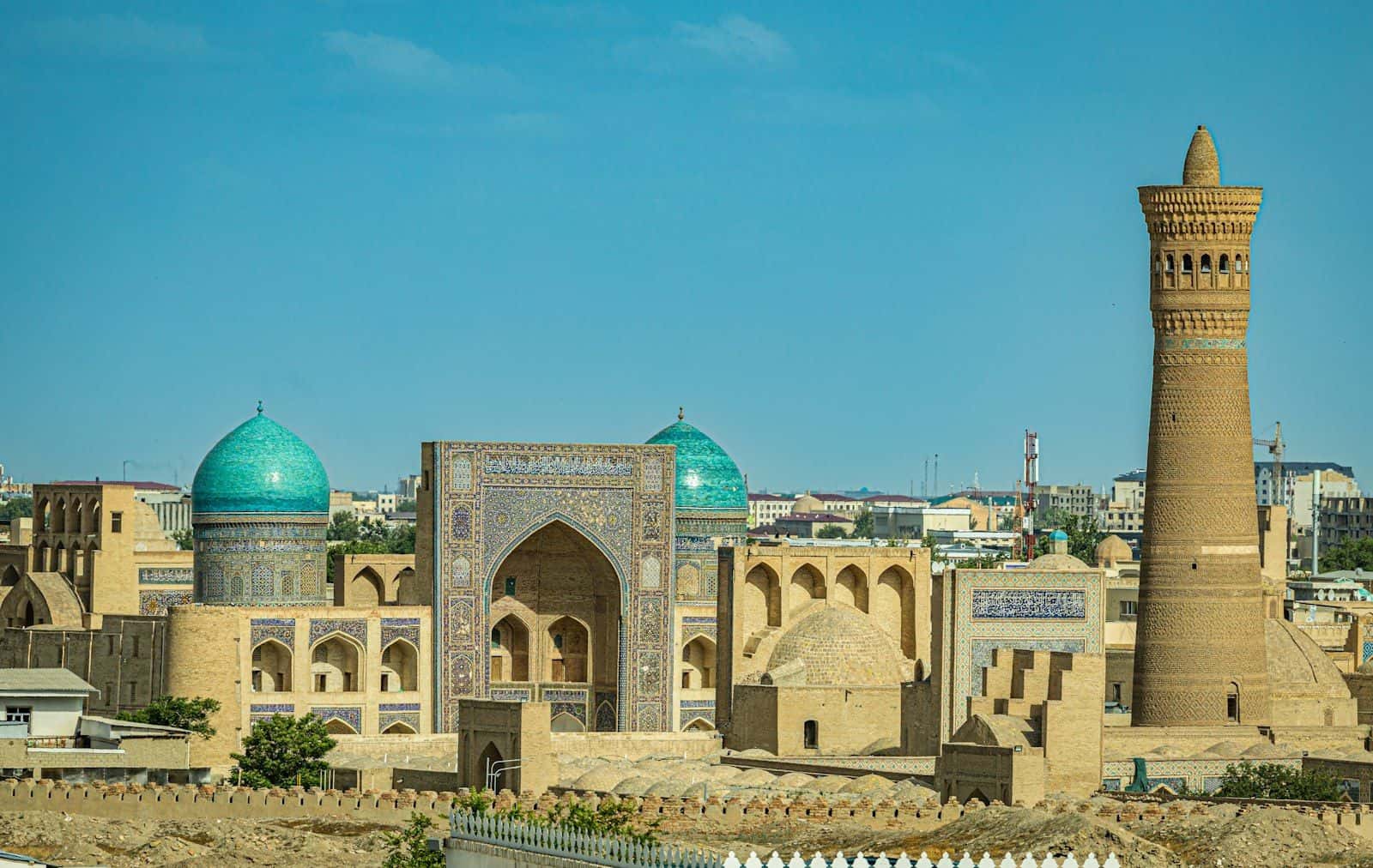
An ancient trading city on the Silk Road, with a historic centre preserving more than 140 architectural monuments.
 1 tour
Nukus
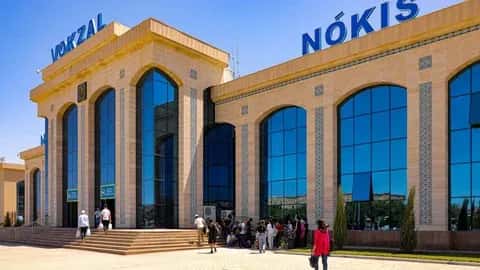
Capital of Karakalpakstan on the Amu Darya, home to the Savitsky Museum and gateway to the Aral Sea. Nukus is the capital of Karakalpakstan, a quiet city on the Amu Darya with a surprising claim to fame: one of the finest art collections in Central Asia. Add an ancient necropolis, a Zoroastrian fortress in the desert and the road to the vanishing Aral Sea, and you have one of Uzbekistan's most unusual stops.
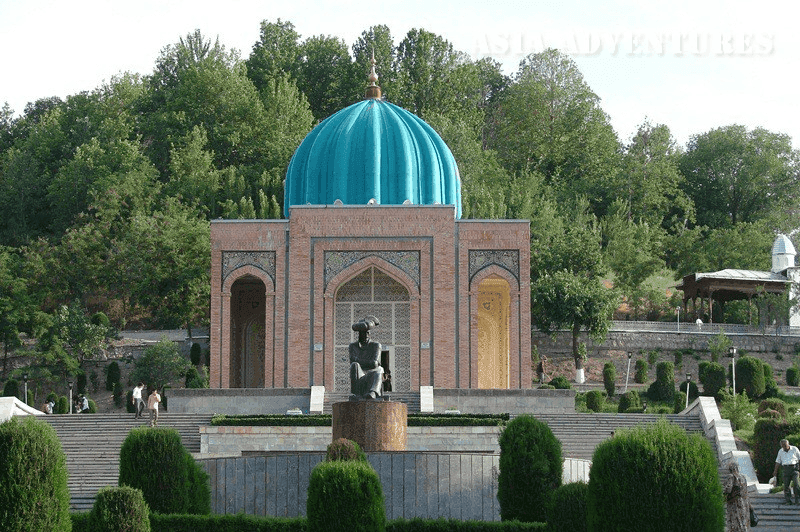
Andijan
Andijan is one of the oldest cities in the Fergana Valley and the birthplace of Babur, the poet-prince who founded the Mughal Empire. Friendly and far less crowded than the Silk Road cities, it offers a grand Jami complex, lively bazaars, famous katlama bread and easy access to craft towns like Shahrikhan.
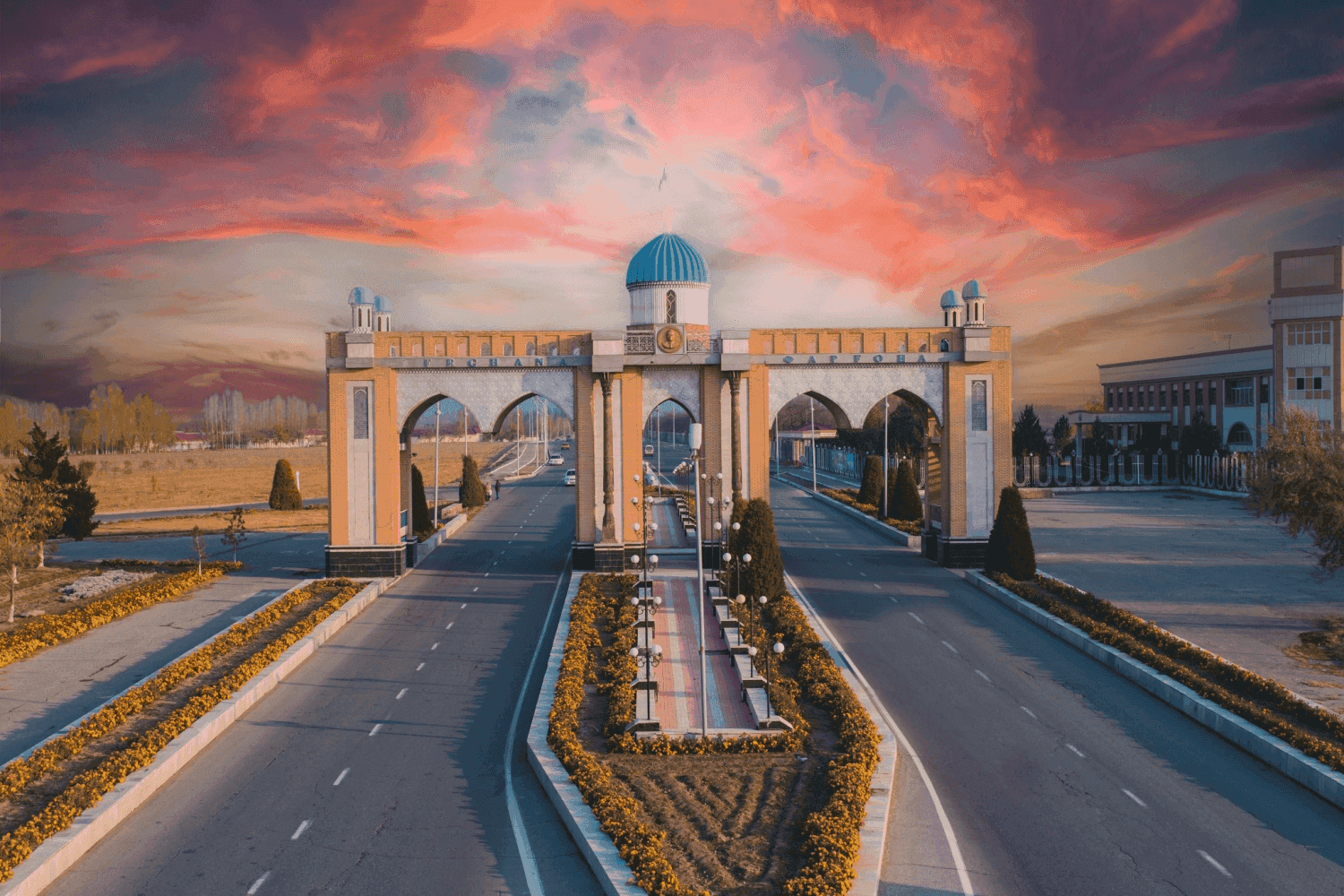
Fergana
The green "Garden City" of the Fergana Valley. Fergana is a relaxed, leafy city with tree-lined avenues, a late-19th-century old town and an easy gateway to Margilan's silk workshops, Rishtan's ceramics and Kokand's palaces.
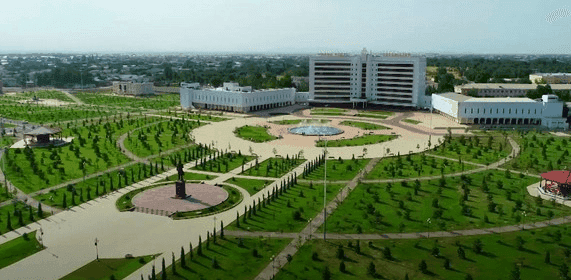
Jizzakh
Jizzakh Region is one of Uzbekistan's interesting destinations, combining mountain landscapes, beautiful lakes, ancient history, traditional villages and local culture. It is especially attractive for travellers who want to explore nature and experience a quieter side of Uzbekistan.
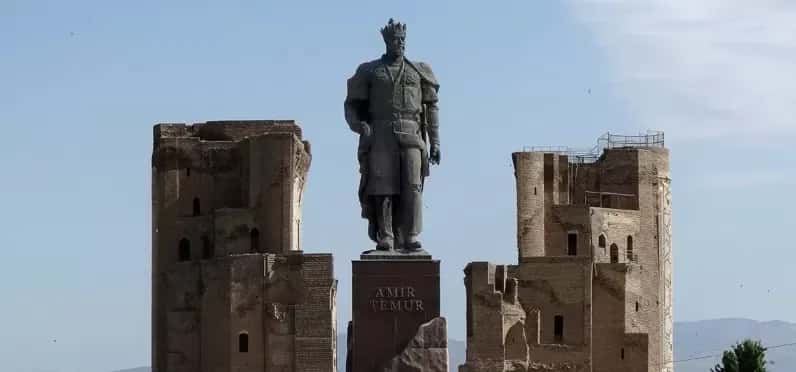
Karshi
Kashkadarya: The Land of Amir Temur Shakhrisabz, the birthplace of Amir Temur, ancient Nasaf (Karshi) and the Hissar Mountains. Discover one of Uzbekistan’s most impressive historical and natural destinations, just a day trip from Samarkand.
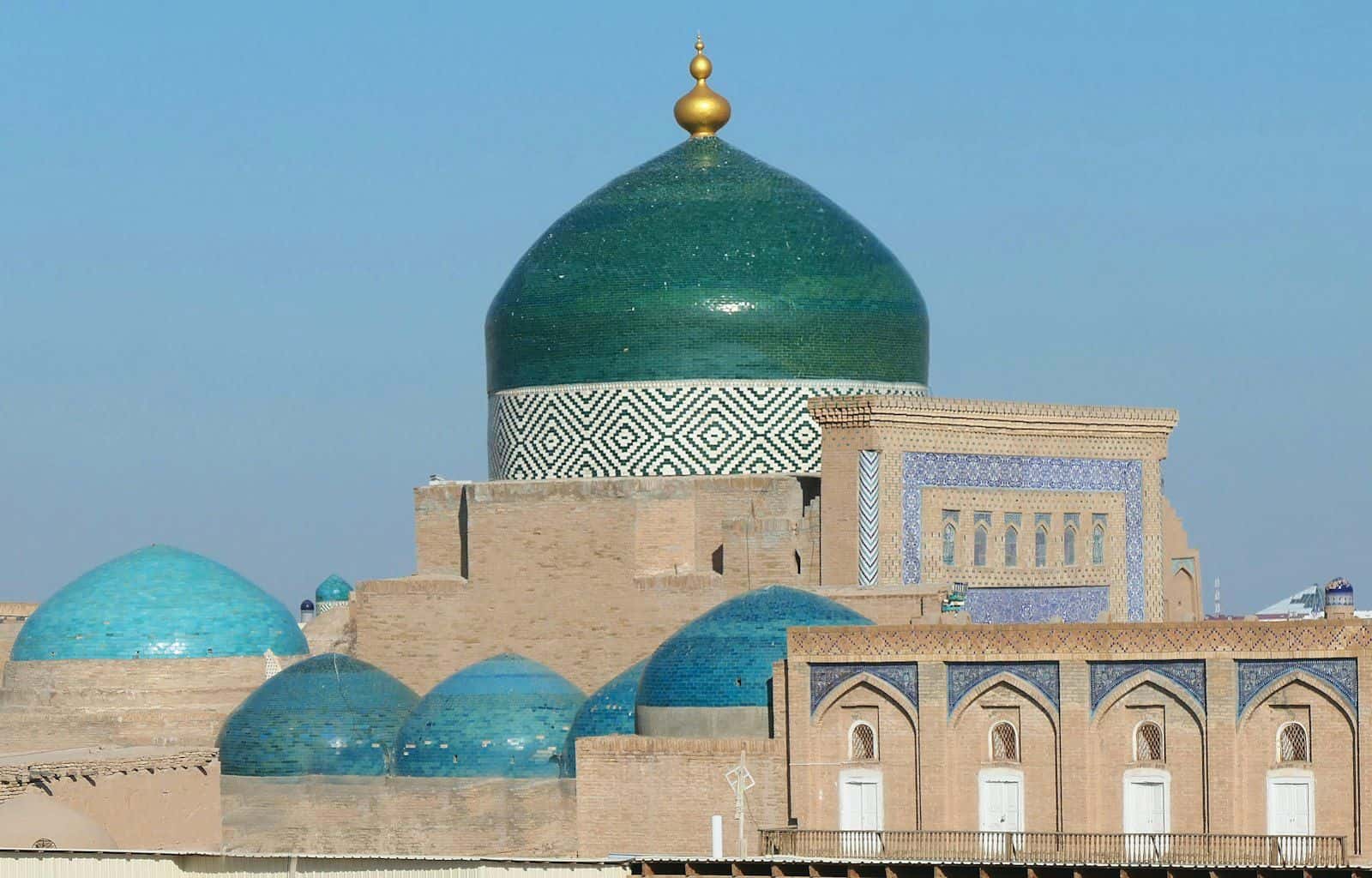
Khiva
Itchan Kala — the walled inner town, inscribed on the UNESCO World Heritage List.
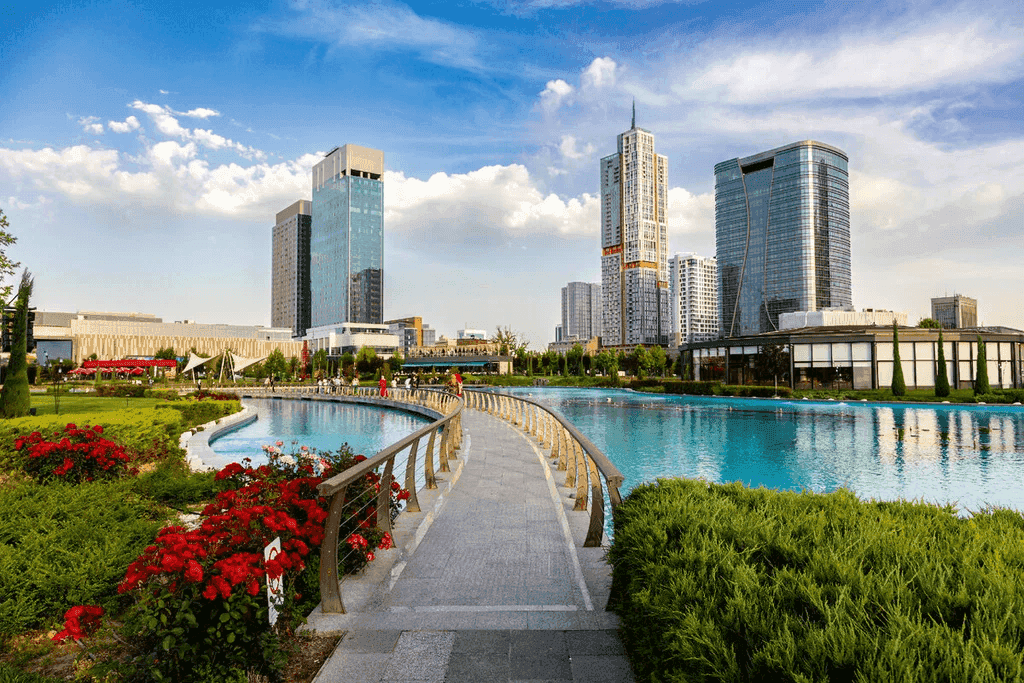
Welcome to Tashkent
Tashkent is Uzbekistan's capital and its business, cultural and transport hub. Wide tree-lined avenues, Soviet-era monuments, glass towers and a medieval old town sit side by side. For most visitors it is where the journey begins, and a good place to taste your first plov, try your first fresh flatbread and get a feel for the country before heading to Samarkand, Bukhara or Khiva. The city is a patchwork of eras. Around Chorsu Bazaar, the old quarters keep their narrow lanes and clay-brick houses, while the center shows the grand planning of the 20th century, and newer districts show a modern, fast-changing capital.
What our guests say
“Unvergessliches Erlebnis in Usbekistan! Die 2-Tages-Tour von Samarkand zum Jurtenlager nach Nurata war absolut fantastisch! Alles war perfekt organisiert, von der pünktlichen Abholung im Hotel bis zur Rückkehr. Die Übernachtung in der Wüste unter dem Sternenhimmel und der Besuch des Aydarkul-Sees waren wunderschön. Sehr freundlicher Service und authentische Gastfreundschaft. Absolute Empfehlung für jeden Usbekistan-Reisenden! – Martin”
“I booked a Bukhara city tour package through this agency, and I am very satisfied with their service. Everything was well organized, and the tour was enjoyable. I highly recommend this agency to anyone planning to visit Bukhara.”
“Unforgettable Desert Escape with Westour! Our group of four from Singapore had an incredible 2-day trip to Aydarkul Lake with Westour. From our hotel pick-up in Samarkand to visiting Nurata, the sunset camel ride, and stargazing by the campfire, everything was top-notch! Sleeping in a traditional yurt was a core memory for us. Westour took care of all the details, allowing us to relax and fully enjoy the breathtaking desert landscapes. Thank you, Westour team, for your wonderful service and hospitality. We’ll definitely recommend you to all our friends back in Singapore! Moulik, Singapore 🇸🇬”
