

Navoi
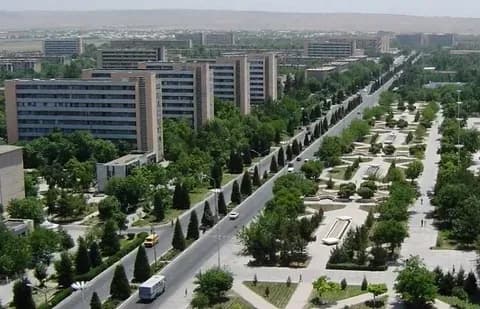
Navoi - Uzbekistan's City of Gold in the Desert Rising from the sands of the Kyzylkum in just a few decades, Navoi is a planned city with green boulevards, cooling fountains and a gold-mining soul. Beyond its streets lie some of the oldest rock carvings in Central Asia, a ruined Silk Road palace and a medieval underground reservoir
About Navoi
The city takes its name from Alisher Navoi, the great Turkic poet and philosopher of the 15th–16th centuries. "Navoi" was in fact his pen name, meaning "melodious" or "full of music."
Navoi is among the hottest places in Uzbekistan, and it has a distinctly multicultural character. Uzbeks, Russians, Ukrainians, Tatars, Kazakhs and many other nationalities live here side by side, drawn by work at the Navoi Mining and Metallurgical Combine (NMMC). The combine ranks among the world's ten largest gold and uranium producers, and its Muruntau mine has repeatedly topped global gold-production lists.
Roughly 140,000 people live in the city, and more than 70,000 work for NMMC, many of them commuting from the nearby districts of Zarafshan, Nurabad and Uchkuduk.
A Short History of Navoi
People have lived in this part of the Zarafshan region since at least the 1st millennium BC. Medieval sources describe Karmana (also written Kharmin or Karmin), a notable town that had appeared by the 10th century at the latest. It survives today as a settlement only six kilometers from Navoi's center. From the 11th century, the ruins of the Karakhanid residence of Rabat-i-Malik also remain.
The modern city, however, is very young. When geologists found rich deposits of gold and uranium in the desert, a mining combine was planned, and in 1958 a city was founded to house its workers. Through the 1960s Navoi grew fast. Because the setting was so harsh, planners drew up a special desert design: low-rise residential blocks with galleries, thousands of planted trees, and plenty of fountains and pools to soften the heat.
With no earlier population on the spot, the city was settled by workers arriving for the combine. Today NMMC is still its backbone, and some employees belong to the third or even fourth generation of the same families.
Navoi also has one of the country's largest Orthodox Christian communities, third only to Tashkent and Samarkand. Over the years the city added further industries, including Navoiazot, Kyzylkumcement, gold-processing plants and cotton mills, and it is now regarded as Uzbekistan's leading industrial hub. The Navoi Institute of Mining and Technology, opened in the 1990s, gained full university status in 2022.
How to Get to Navoi
- 1
By air
the quickest option. Regular flights link Navoi with Tashkent and Moscow.
- 2
By train
services run from Tashkent, Bukhara and Khiva. The Afrosiyob high-speed train covers the Tashkent–Navoi route in about three hours.
- 3
By road
buses, shared minibuses and private taxis connect Navoi with other regions of Uzbekistan. A private transfer offers the most flexibility, and WESTOUR can arrange one for you.
Top Attractions in Navoi
Navoi's main sights, with distances from the city center:
- Rabat-i-Malik Caravanserai: 23 km
- Sarmyshsai Petroglyphs: 38 km
- Karmana (Mir-Sayyid Bahrom Mausoleum, Kasym Sheikh Complex): 6 km
- Malik Sardoba and the Church of St. Sergius of Radonezh
What to Buy in Navoi
Gold is the one souvenir that says "Navoi." The Zarafshan Jewelry Factory makes rings, bracelets, earrings and chains from metal mined at Muruntau by the NMMC. Its pieces are sold in Zarafshan and in several jewelry shops across Navoi, so you can take home something made from the region's own gold.
Local Food to Try
Alongside classic Uzbek cuisine, Navoi has two dishes of its own:
- Barracha: tender young lamb fried with onions, herbs and spices.
- Gilbindi (gilvindi): crescent-shaped pastries stuffed with meat. Some versions use vegetables or a sweet filling instead.
Tours in Navoi
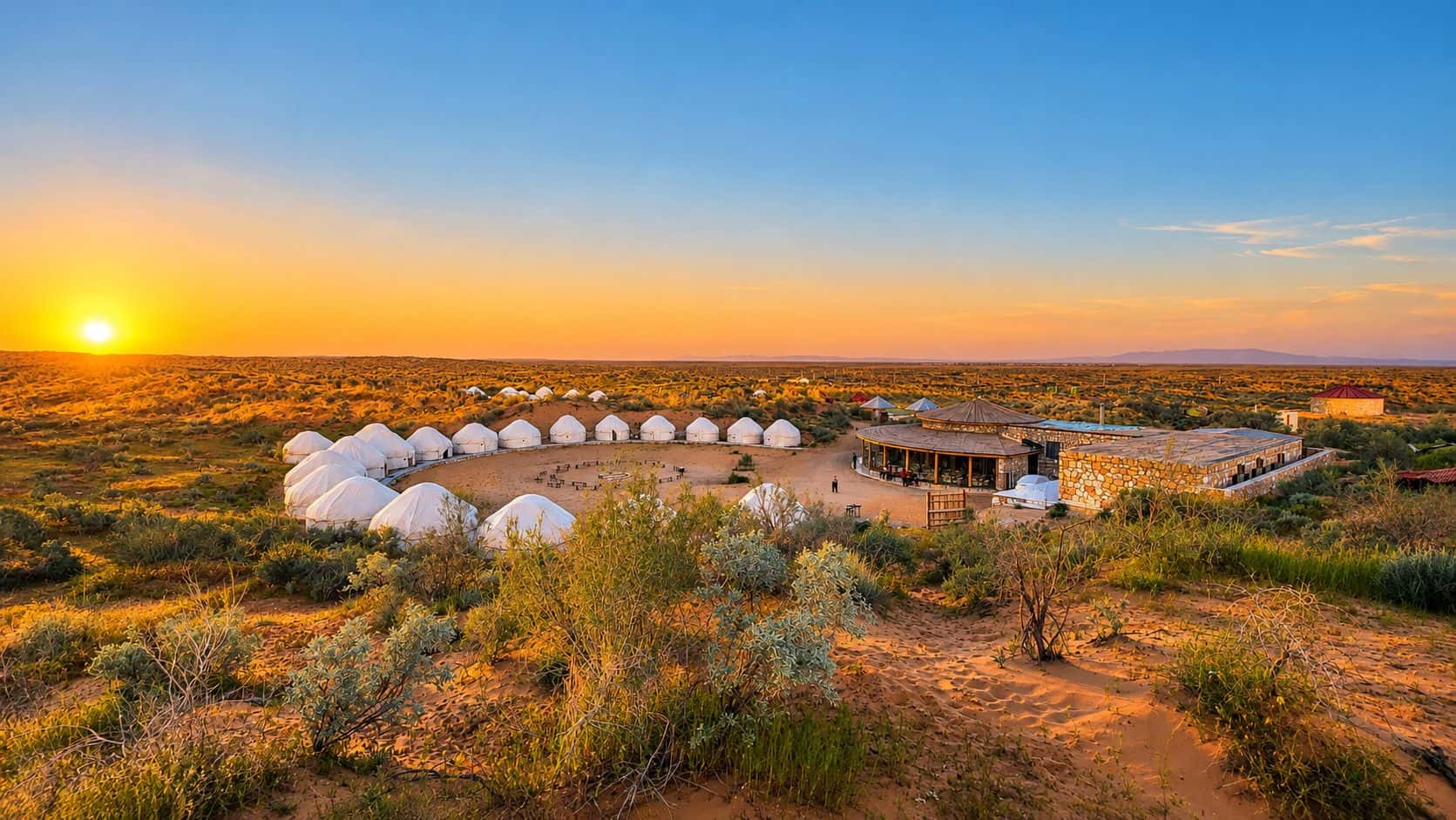
Navoi
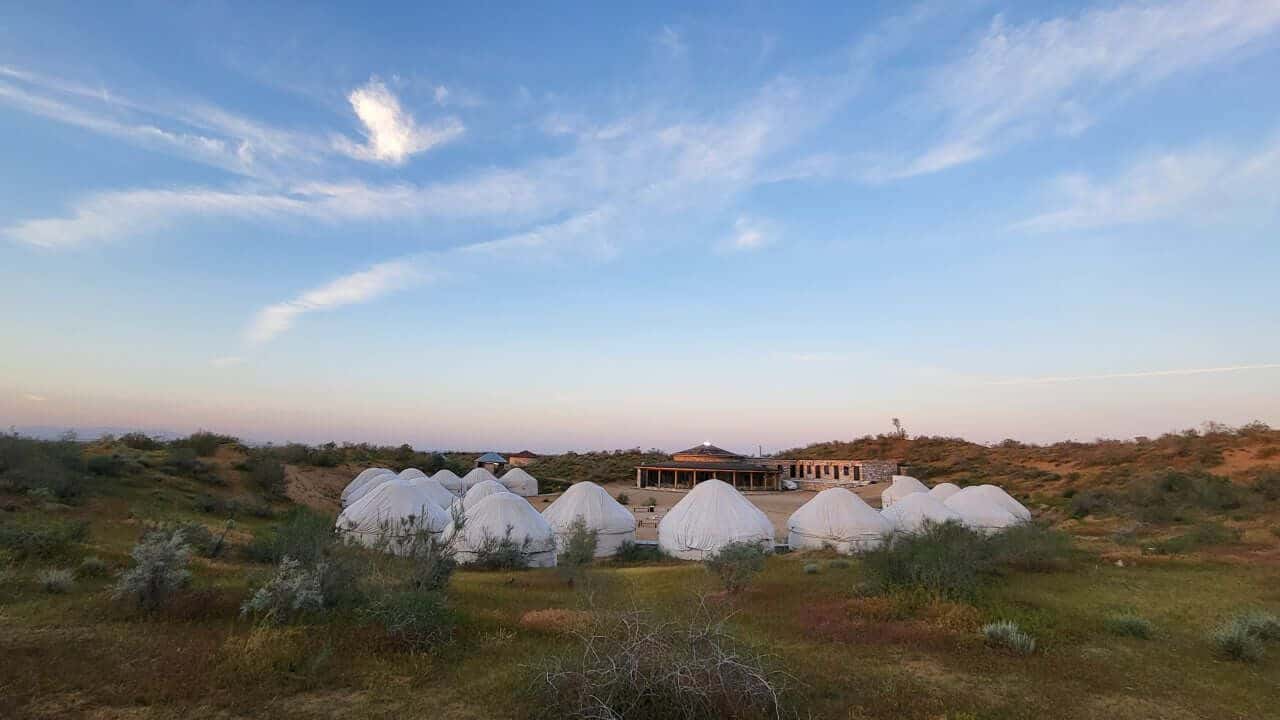
Yurt Camp Tour: Samarkand Round-Trip
2 days / 1 night
5.0(1)
From $155per person, for 2 travellers
Explore other destinations
All destinations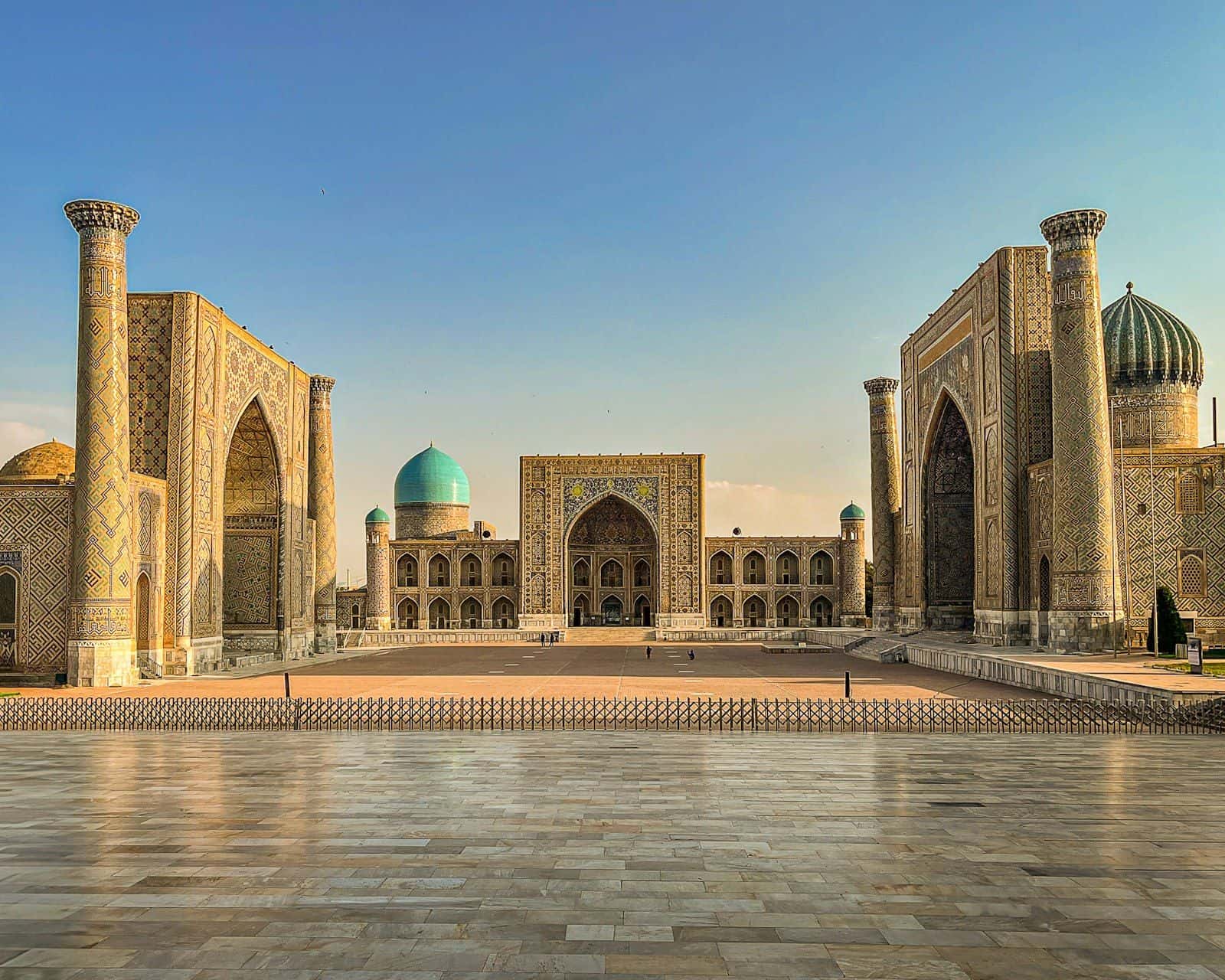 4 tours
Samarkand
One of the oldest cities on Earth, Samarkand was a legendary stop on the Silk Road and the capital of Amir Timur's empire. Today its blue-tiled domes, grand madrasahs and busy bazaars make it the highlight of almost every trip to Uzbekistan.
 1 tour
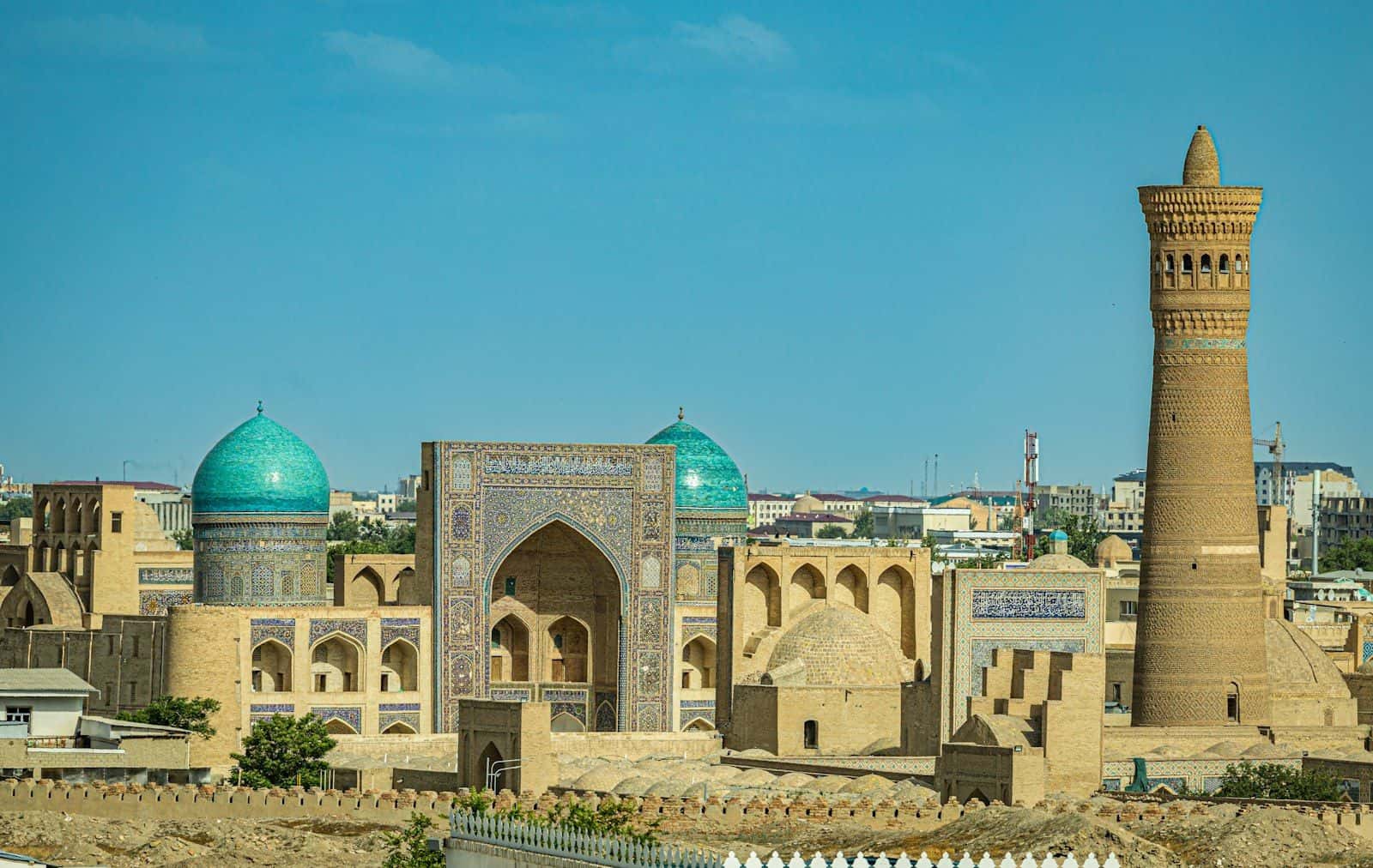
Bukhara
An ancient trading city on the Silk Road, with a historic centre preserving more than 140 architectural monuments.
 1 tour
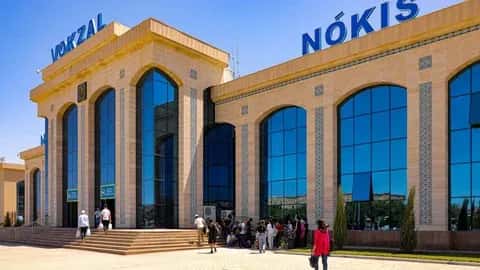
Nukus
Capital of Karakalpakstan on the Amu Darya, home to the Savitsky Museum and gateway to the Aral Sea. Nukus is the capital of Karakalpakstan, a quiet city on the Amu Darya with a surprising claim to fame: one of the finest art collections in Central Asia. Add an ancient necropolis, a Zoroastrian fortress in the desert and the road to the vanishing Aral Sea, and you have one of Uzbekistan's most unusual stops.
Andijan
Andijan is one of the oldest cities in the Fergana Valley and the birthplace of Babur, the poet-prince who founded the Mughal Empire. Friendly and far less crowded than the Silk Road cities, it offers a grand Jami complex, lively bazaars, famous katlama bread and easy access to craft towns like Shahrikhan.
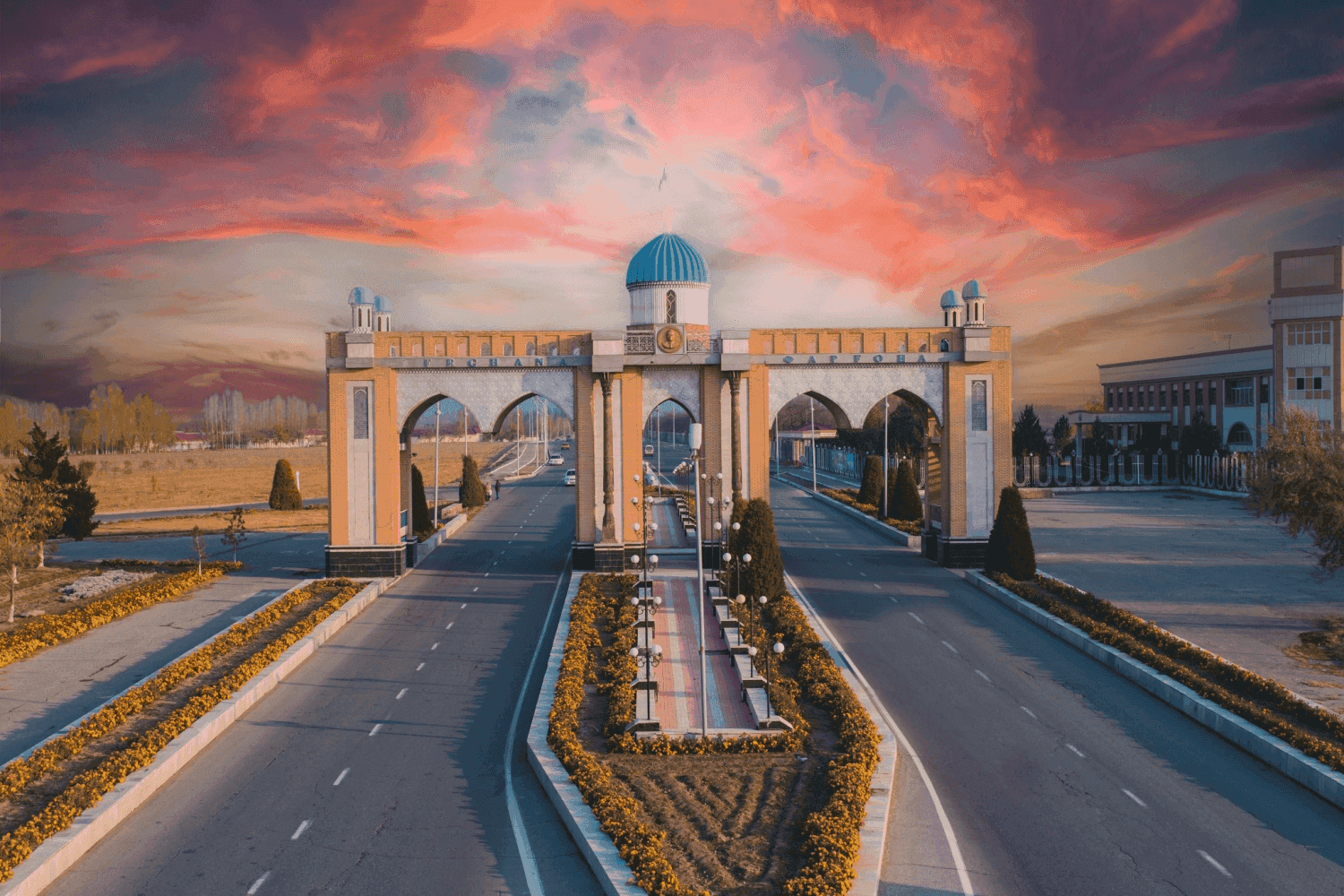
Fergana
The green "Garden City" of the Fergana Valley. Fergana is a relaxed, leafy city with tree-lined avenues, a late-19th-century old town and an easy gateway to Margilan's silk workshops, Rishtan's ceramics and Kokand's palaces.
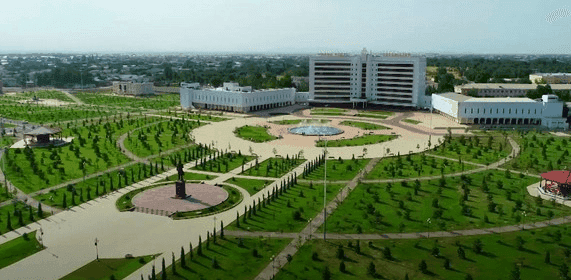
Jizzakh
Jizzakh Region is one of Uzbekistan's interesting destinations, combining mountain landscapes, beautiful lakes, ancient history, traditional villages and local culture. It is especially attractive for travellers who want to explore nature and experience a quieter side of Uzbekistan.
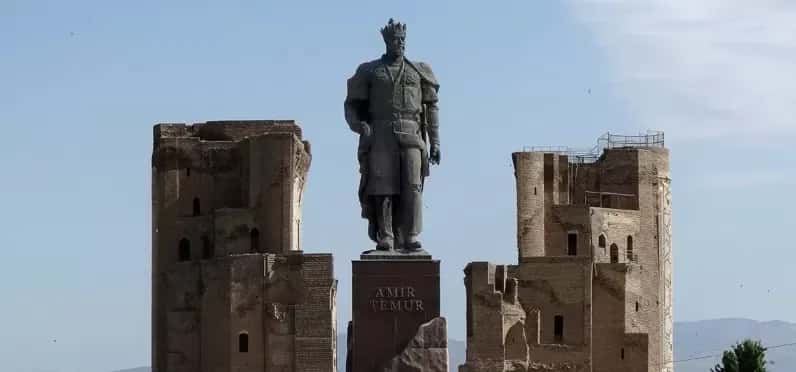
Karshi
Kashkadarya: The Land of Amir Temur Shakhrisabz, the birthplace of Amir Temur, ancient Nasaf (Karshi) and the Hissar Mountains. Discover one of Uzbekistan’s most impressive historical and natural destinations, just a day trip from Samarkand.
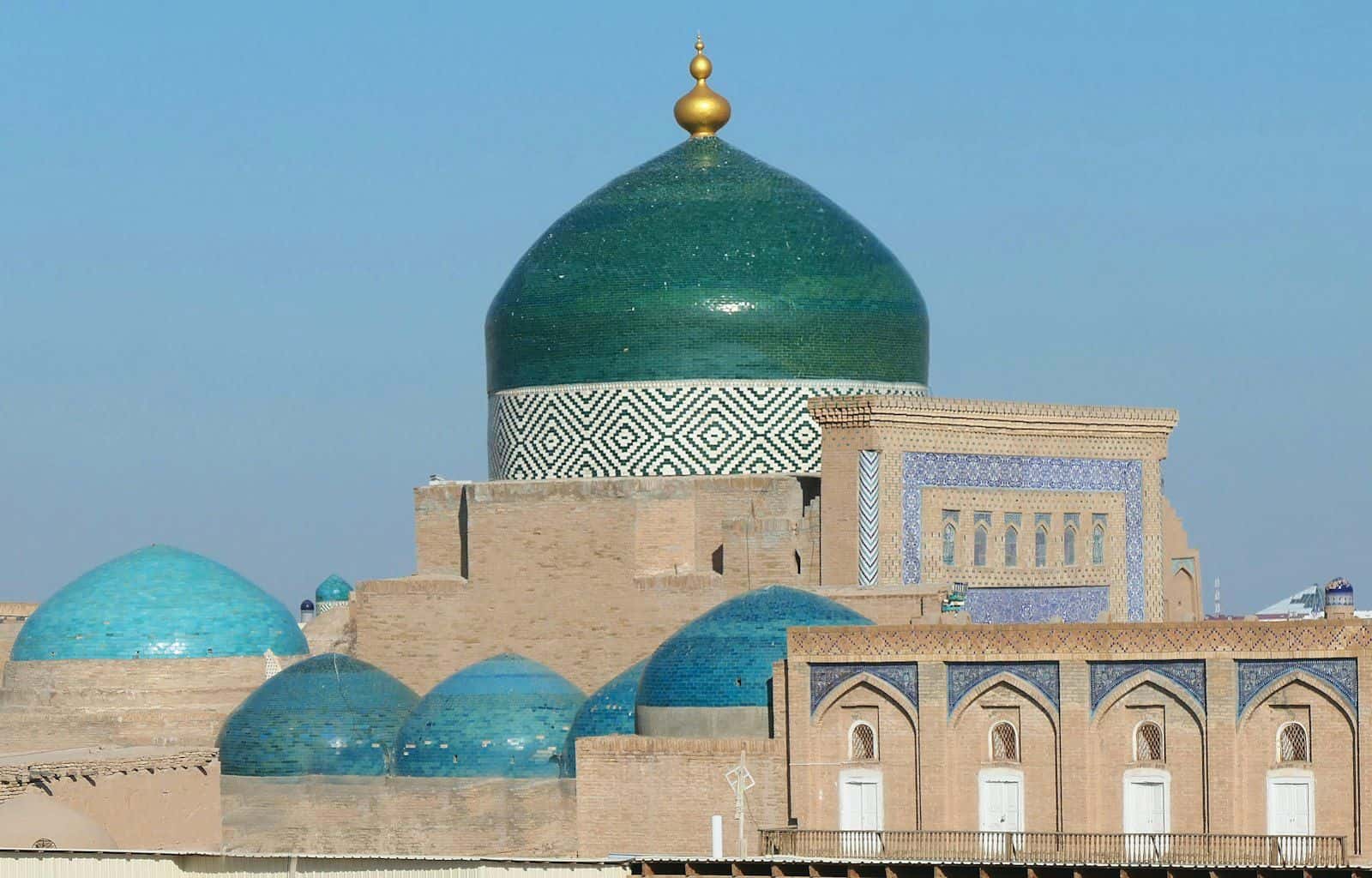
Khiva
Itchan Kala — the walled inner town, inscribed on the UNESCO World Heritage List.
Welcome to Tashkent
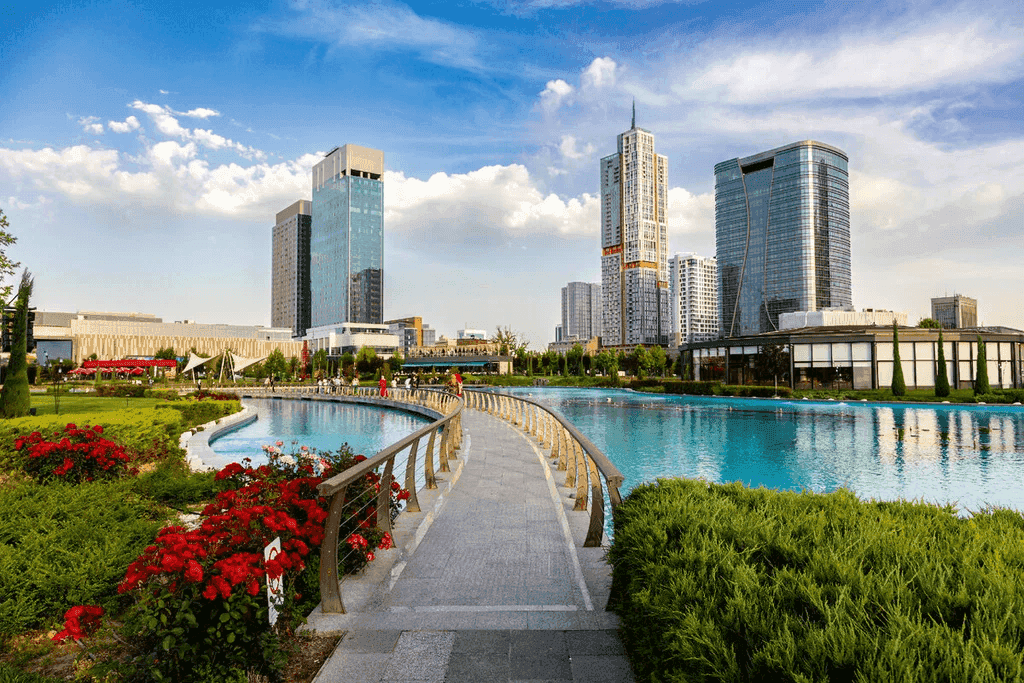
Tashkent is Uzbekistan's capital and its business, cultural and transport hub. Wide tree-lined avenues, Soviet-era monuments, glass towers and a medieval old town sit side by side. For most visitors it is where the journey begins, and a good place to taste your first plov, try your first fresh flatbread and get a feel for the country before heading to Samarkand, Bukhara or Khiva. The city is a patchwork of eras. Around Chorsu Bazaar, the old quarters keep their narrow lanes and clay-brick houses, while the center shows the grand planning of the 20th century, and newer districts show a modern, fast-changing capital.
What our guests say
“Unvergessliches Erlebnis in Usbekistan! Die 2-Tages-Tour von Samarkand zum Jurtenlager nach Nurata war absolut fantastisch! Alles war perfekt organisiert, von der pünktlichen Abholung im Hotel bis zur Rückkehr. Die Übernachtung in der Wüste unter dem Sternenhimmel und der Besuch des Aydarkul-Sees waren wunderschön. Sehr freundlicher Service und authentische Gastfreundschaft. Absolute Empfehlung für jeden Usbekistan-Reisenden! – Martin”
“I booked a Bukhara city tour package through this agency, and I am very satisfied with their service. Everything was well organized, and the tour was enjoyable. I highly recommend this agency to anyone planning to visit Bukhara.”
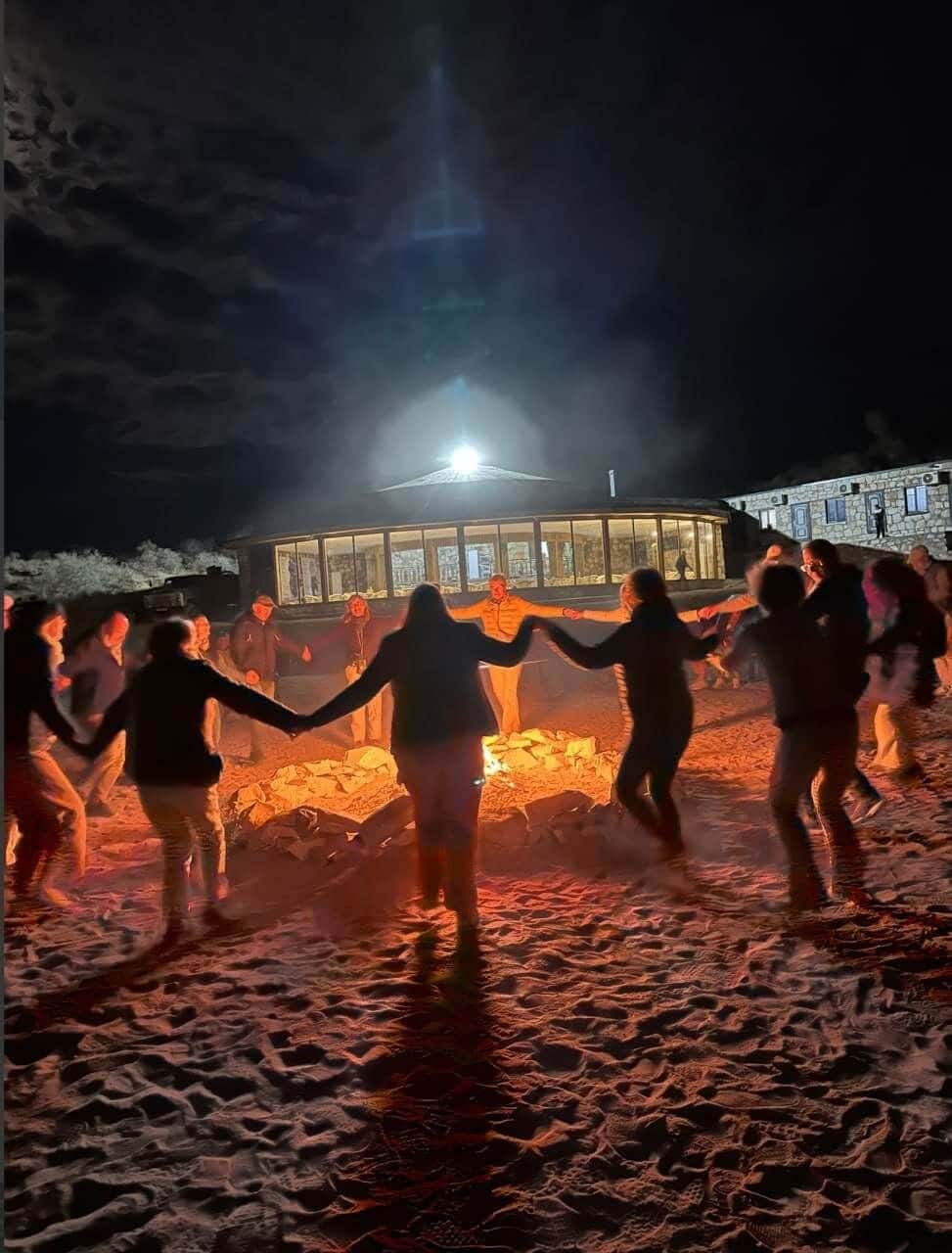
“Unforgettable Desert Escape with Westour! Our group of four from Singapore had an incredible 2-day trip to Aydarkul Lake with Westour. From our hotel pick-up in Samarkand to visiting Nurata, the sunset camel ride, and stargazing by the campfire, everything was top-notch! Sleeping in a traditional yurt was a core memory for us. Westour took care of all the details, allowing us to relax and fully enjoy the breathtaking desert landscapes. Thank you, Westour team, for your wonderful service and hospitality. We’ll definitely recommend you to all our friends back in Singapore! Moulik, Singapore 🇸🇬”
